HOA Drainage Compliance Guide requirements protect shared property, prevent flooding, and maintain neighborhood standards. Drainage changes on one lot often affect nearby homes. Because of this, homeowners associations enforce strict rules regarding grading, runoff control, and drainage systems.
Homeowners and property managers must understand compliance expectations before modifying landscaping or installing drainage systems. Failure to follow rules can lead to fines, forced removal of improvements, or legal disputes.
This guide explains how HOA drainage rules work, how to plan compliant improvements, and how to avoid costly violations.
Why HOA Drainage Rules Exist
This youtube video below from William Douglas Management covers common HOA drainage issues and the role of preventive maintenance. It explains how routine inspections and early fixes protect shared landscapes and structures.
Drainage issues rarely stay within one property line. Improper grading or runoff redirection can flood neighboring yards or damage shared infrastructure.
HOAs create drainage policies to:
- Protect foundations
- Prevent erosion
- Maintain community appearance
- Avoid insurance claims
- Reduce liability
An HOA Drainage Compliance Guide ensures every homeowner follows consistent water management standards.
Understanding HOA Drainage Authority
Homeowners associations typically control exterior modifications. This includes grading changes, drainage installations, and landscaping alterations.
Architectural Review Committees
Most HOAs require approval through an architectural review committee. Drainage changes often need formal applications.
Governing Documents
Drainage rules appear in:
- CC&Rs (Covenants, Conditions, and Restrictions)
- Design guidelines
- Landscape standards
- Local municipal codes
Reviewing these documents is the first step in following an HOA Drainage Compliance Guide.
Common Drainage Regulations in HOAs
HOA rules vary by community, but common regulations include:
- Maintaining original grading
- Preventing runoff onto neighboring lots
- Installing approved drainage systems
- Prohibiting unauthorized trenching
- Requiring professional design plans
These rules protect the entire neighborhood from water damage.
Types of Drainage Changes That Require Approval
Many homeowners assume small projects do not need approval. However, most drainage changes require review.
Grading Adjustments
Altering yard slope affects water flow. Even small grading changes may require approval.
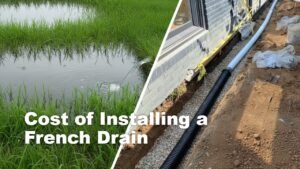
French Drain Installation
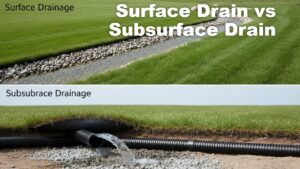
Subsurface drainage systems often require HOA permission. These systems redirect water and can impact neighboring lots.
Downspout Redirection
Extending downspouts into shared drainage areas may require approval.
Hardscape Additions
New patios or driveways change runoff patterns. HOAs often review these changes.
Following an HOA Drainage Compliance Guide helps avoid violations.
Approval Process for Drainage Projects
Each HOA has its own review process.
Step 1: Submit Application
Provide:
- Site plan
- Drainage design
- Contractor details
- Proposed materials
Step 2: Provide Engineering Details
Some HOAs require professional drainage plans. This ensures water flows correctly.
Step 3: Wait for Approval
Do not begin work before approval. Unauthorized changes often lead to fines.
Step 4: Final Inspection
Some associations inspect completed work. This ensures compliance with approved plans.
Understanding this process helps homeowners follow the HOA Drainage Compliance Guide successfully.
Drainage Compliance Comparison Table
| Drainage Change | Approval Required | Risk if Ignored | Recommended Action |
|---|---|---|---|
| Grading changes | Yes | Neighbor flooding | Submit site plan |
| French drain | Usually | Structural issues | Provide engineering design |
| Downspout extension | Often | Runoff disputes | Confirm discharge area |
| Patio installation | Yes | Water pooling | Include drainage plan |
| Retaining wall | Yes | Erosion risk | Obtain structural approval |
This table highlights how an HOA Drainage Compliance Guide helps prevent disputes.
Consequences of Non-Compliance
Ignoring drainage rules can lead to serious consequences.
Fines and Penalties
HOAs may issue fines for unauthorized changes.
Required Removal
Improper drainage systems may need removal at the homeowner’s expense.
Legal Liability
If drainage changes damage neighboring property, homeowners may face legal claims.
Insurance Complications
Non-compliant modifications can affect insurance coverage.
Following an HOA Drainage Compliance Guide protects property owners from these risks.
Working with Contractors and Designers
Professional assistance improves compliance.
Hire Licensed Contractors
Experienced contractors understand local codes and HOA rules.
Use Drainage Engineers
Complex projects benefit from professional design plans.
Provide Clear Documentation
Submit drawings and specifications to the HOA before starting work.
Working with professionals ensures alignment with the HOA Drainage Compliance Guide.
Best Practices for HOA Drainage Compliance
Adopting proactive practices prevents disputes.
- Maintain original grading
- Inspect drainage annually
- Keep gutters clean
- Avoid redirecting water toward neighbors
- Document any modifications
- Seek approval early
These steps support community harmony and property protection.
Maintenance Responsibilities
HOAs often require homeowners to maintain private drainage systems.
Maintenance tasks include:
- Clearing debris from drains
- Inspecting downspouts
- Monitoring soil erosion
- Repairing damaged systems
Proper upkeep ensures compliance with the HOA Drainage Compliance Guide.
Resolving Drainage Disputes
Disputes may arise between neighbors.
Communicate Early
Discuss concerns before making changes.
Use HOA Mediation
Many associations offer dispute resolution services.
Document Issues
Photographs and inspection reports help resolve disagreements.
Clear communication supports compliance and community cooperation.
Practical Compliance Checklist
Follow this checklist before making drainage changes:
- Review HOA guidelines
- Identify drainage issues
- Consult professionals
- Prepare site plans
- Submit approval request
- Wait for written approval
- Schedule inspection
This structured approach ensures alignment with the HOA Drainage Compliance Guide.
FAQs
Do I need HOA approval for a French drain?
Most associations require approval for any drainage modification.
Can I redirect downspouts without approval?
Often no. Redirecting water can affect neighboring properties.
What happens if I ignore HOA drainage rules?
You may face fines, removal orders, or legal disputes.
Who is responsible for drainage maintenance?
Homeowners typically maintain private systems. HOAs maintain common areas.
Can an HOA deny drainage changes?
Yes. Associations may deny projects that affect community drainage patterns.
Conclusion
Managing water flow responsibly protects both individual homes and entire communities. The HOA Drainage Compliance Guide helps homeowners and property managers navigate rules, approvals, and maintenance requirements. Understanding these guidelines prevents costly disputes and ensures safe, effective drainage systems.
Proper planning, professional design, and clear communication with HOA boards create smoother project approval and long-term property protection. Review your community’s drainage policies carefully and follow established procedures to ensure compliance and maintain neighborhood stability.