How irrigation affects soil erosion is a crucial concept that homeowners and property managers must understand when maintaining landscapes, gardens, and outdoor infrastructure. While irrigation is essential for plant health and property aesthetics, improper watering practices can accelerate soil erosion, damage landscapes, and even compromise structural stability.
Water that is applied too quickly, too frequently, or without proper drainage planning can wash away topsoil, create runoff channels, and destabilize slopes. On the other hand, well-designed irrigation systems can actually help prevent erosion and support soil health.
This comprehensive guide explains how irrigation influences soil movement, the risks of improper watering, and the best strategies to manage water responsibly.
Why Soil Erosion Matters for Residential Properties
Soil erosion is the gradual removal of topsoil caused by water, wind, or human activity. For homeowners and property managers, erosion can damage both landscaping and property structures.
Consequences of Soil Erosion
- Loss of nutrient-rich topsoil
- Damage to lawns, gardens, and plant roots
- Exposure of underground utilities
- Foundation instability and drainage issues
- Sediment buildup in drainage systems
Understanding how irrigation affects soil erosion helps prevent these costly problems.
How Irrigation Contributes to Soil Erosion
Irrigation systems, when poorly designed or managed, can act as a continuous source of erosion.
1. Excess Water Application
Overwatering saturates soil, reducing its ability to hold together and making it more susceptible to displacement.
2. High Water Pressure
Sprinklers with excessive pressure can dislodge soil particles and create surface runoff.
3. Uneven Water Distribution
Areas receiving more water than others can develop runoff channels and erosion pathways.
4. Poor Drainage Planning
Without proper drainage, irrigation water accumulates and flows across surfaces, carrying soil with it.
Types of Irrigation Systems and Their Impact on Soil
Different irrigation systems affect soil erosion in different ways.
Sprinkler Systems
Sprinklers mimic rainfall, but high pressure can disturb soil structure and increase runoff.
Drip Irrigation
Drip systems deliver water directly to plant roots, minimizing runoff and reducing erosion risk.
Soaker Hoses
These systems allow slow water release, which helps soil absorb moisture gradually.
Flood Irrigation
Common in agricultural settings, flood irrigation can cause severe erosion if not properly managed.
Key Factors That Influence Irrigation-Related Erosion
Several environmental and structural factors affect how irrigation contributes to erosion.
Soil Type
- Sandy soil drains quickly but can erode easily
- Clay soil holds water but increases runoff
- Loam soil provides the best balance
Slope and Terrain
Steeper slopes increase water speed, leading to higher erosion potential.
Vegetation Coverage
Dense vegetation helps hold soil in place and absorb water.
Irrigation Frequency
Frequent watering prevents soil from stabilizing between cycles.
Signs That Irrigation Is Causing Soil Erosion
This YouTube video below from RTHS_JessieHowington explains how irrigation practices can influence soil erosion. It shows how water flow and slope affect soil stability. The lesson helps readers understand the link between irrigation design and erosion control.
Early identification helps prevent long-term damage.
Common Warning Signs
- Visible soil displacement or washouts
- Formation of small channels or rills
- Exposed plant roots
- Puddles or standing water after irrigation
- Sediment accumulation in drains
If you notice these signs, adjustments are needed immediately.
How Irrigation Affects Soil Structure and Stability
Water plays a major role in maintaining soil structure.
Soil Compaction
Excess irrigation can compact soil, reducing infiltration and increasing runoff.
Soil Crusting
Surface crusting prevents water absorption, causing more water to flow over the surface.
Loss of Organic Matter
Erosion removes organic material that supports plant growth and soil stability.
Best Irrigation Practices to Prevent Soil Erosion
Proper irrigation design and management can significantly reduce erosion risks.
Optimize Water Flow
- Use low-pressure irrigation systems
- Install pressure regulators
- Adjust sprinkler heads for even distribution
Improve Soil Absorption
- Aerate soil regularly
- Add organic compost
- Use mulch to retain moisture
Adjust Watering Schedules
- Water early in the morning
- Use shorter, more frequent watering cycles
- Avoid watering during heavy rainfall
Landscaping Strategies to Reduce Irrigation-Driven Erosion
Landscaping plays a critical role in stabilizing soil.
Effective Landscaping Techniques
- Plant ground cover to protect soil
- Use native plants with deep roots
- Install retaining walls on slopes
- Add mulch to garden beds
- Create terraces to slow water flow
These strategies help absorb water and reduce runoff.
Drainage Solutions That Complement Irrigation Systems
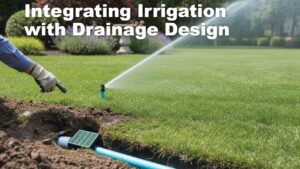
Combining irrigation with drainage systems improves water management.
Common Drainage Solutions
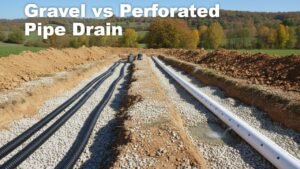
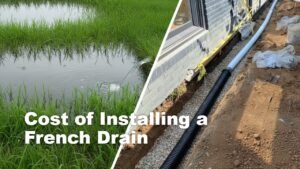
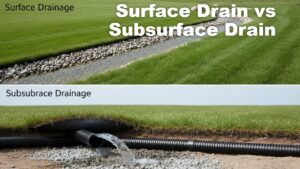
- French drains for subsurface water
- Swales to guide surface runoff
- Dry wells to absorb excess water
- Channel drains for paved areas
Proper drainage prevents irrigation water from accumulating.
Sustainable Irrigation Practices for Long-Term Soil Health
This YouTube video below from Keg River Fertilizer TV explains how smart irrigation practices improve soil health. It highlights water timing, application methods, and nutrient balance. The insights help readers understand how irrigation supports long-term soil performance.
Sustainable water management benefits both the environment and property value.
Eco-Friendly Irrigation Methods
- Rainwater harvesting systems
- Smart irrigation controllers
- Soil moisture sensors
- Permeable landscaping materials
These methods reduce water waste and minimize erosion risk.
Seasonal Irrigation Management Tips
Adjust irrigation practices throughout the year.
Spring
- Inspect irrigation systems
- Adjust watering for new growth
Summer
- Monitor soil moisture levels
- Avoid overwatering during heat
Autumn
- Reduce watering frequency
- Prepare soil for rainfall
Winter
- Shut down irrigation systems in cold climates
- Prevent water accumulation near structures
Seasonal adjustments maintain soil stability.
Practical Tips for Homeowners and Property Managers
Use these expert tips to minimize erosion caused by irrigation:
- Always check sprinkler coverage patterns
- Avoid watering on windy days
- Repair leaks immediately
- Use drip irrigation in garden beds
- Monitor runoff after watering
Small changes can significantly reduce erosion risk.
Cost Implications of Poor Irrigation Management
Poor irrigation practices can lead to expensive repairs.
Potential Costs Include
- Landscape restoration
- Drainage system repairs
- Foundation damage
- Soil replacement
- Increased water bills
Preventive maintenance is far more cost-effective.
When to Consult Irrigation or Landscaping Professionals
Professional assistance ensures optimal system performance.
Hire Experts If:
- Erosion persists despite adjustments
- Large slopes are involved
- Drainage systems are required
- Water usage is excessively high
Professional design improves efficiency and long-term results.
FAQs: How Irrigation Affects Soil Erosion
Can irrigation really cause soil erosion?
Yes, improper irrigation can displace soil, create runoff, and accelerate erosion.
What is the best irrigation system to prevent erosion?
Drip irrigation is one of the most effective systems because it delivers water slowly and directly to plant roots.
How often should irrigation systems be inspected?
At least twice a year and after major weather events.
Does mulch help reduce erosion?
Yes, mulch protects soil from water impact and improves moisture retention.
Can erosion damage my home’s foundation?
Yes, severe soil erosion can expose and weaken foundation support.
Conclusion
Understanding how irrigation affects soil erosion is essential for maintaining a stable, healthy, and visually appealing property. While irrigation is necessary for plant growth, improper water management can lead to soil loss, landscape damage, and structural risks.
By implementing efficient irrigation systems, improving soil health, incorporating drainage solutions, and maintaining landscaping properly, homeowners and property managers can control erosion effectively and protect their investment for years to come.