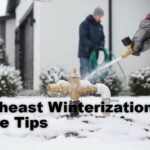
Northeast Winterization Guide planning is essential for homeowners and property managers preparing for freezing temperatures, snow accumulation, and prolonged cold spells. States across the Northeast experience deep frost penetration, fluctuating winter storms, and freeze-thaw cycles that damage irrigation systems, plumbing lines, and outdoor infrastructure.
Without proper preparation, frozen pipes can burst, sprinkler systems can crack, and costly repairs can follow in spring. A structured Northeast Winterization Guide helps protect investments and ensures smooth seasonal transitions.
This comprehensive guide outlines proven winterization steps, climate considerations, and actionable strategies tailored to Northeastern properties.
Understanding Northeast Winter Conditions
The Northeast includes states such as New York, Massachusetts, Pennsylvania, Connecticut, Vermont, New Hampshire, Maine, and New Jersey. Winters bring subfreezing temperatures, snow cover, ice storms, and deep frost lines.
Frost depth in many areas can reach 36 to 60 inches or more, depending on location and soil type. Freeze-thaw cycles create expansion and contraction that stress underground systems.
An effective Northeast Winterization Guide must account for:
- Extended freezing periods
- Deep ground frost
- Heavy snow loads
- Ice accumulation
- Winter storms with rapid temperature drops
Why Winterization Is Critical
Failure to follow a Northeast Winterization Guide can result in significant damage.
Irrigation System Damage
Water trapped inside sprinkler pipes expands when frozen. Expansion causes cracks in PVC lines and fittings.
Burst Outdoor Plumbing
Hose bibs and exposed valves freeze quickly. Burst pipes often remain undetected until spring thaw.
Foundation and Drainage Issues
Improper drainage allows water to collect near foundations. Frozen soil expands and creates structural stress.
Preventive action avoids emergency repairs.
Seasonal Timeline for Winterization
Proper timing ensures systems are protected before the first hard freeze.
| Month | Action Item | Priority Level |
|---|---|---|
| September | Inspect irrigation system | High |
| October | Schedule blowout service | Critical |
| November | Insulate exposed plumbing | Critical |
| December | Monitor freeze alerts | Moderate |
| January–February | Check insulation | Moderate |
| March | Prepare for spring startup | High |
Following this timeline supports a successful Northeast Winterization Guide.
Irrigation System Winterization Steps
This YouTube video below from Ewing Outdoor Supply explains how to winterize a sprinkler system using the blow-out method. It shows how to remove water from lines to prevent freeze damage. The video serves as a quick reference for seasonal irrigation maintenance.
Shut Off Water Supply
Locate the irrigation main shutoff valve. Turn off water flow before freezing temperatures arrive.
Drain Backflow Preventer
Backflow preventers often sit above ground. Drain them fully to prevent freeze damage.
Perform Compressed Air Blowout
Compressed air removes residual water from pipes. This step is essential in any Northeast Winterization Guide.
Use regulated air pressure to avoid damaging components.
Insulate Valve Boxes
Install insulated covers over valve boxes and exposed components.
Protecting Outdoor Plumbing
Outdoor plumbing requires careful preparation.
Disconnect Garden Hoses
Remove hoses from spigots. Leaving hoses attached traps water inside.
Install Frost-Free Hose Bibs
Frost-free spigots reduce freezing risk. Upgrade older fixtures where possible.
Wrap Exposed Pipes
Use foam insulation or heat tape for exposed pipes in garages or crawl spaces.
These measures prevent burst plumbing lines.
This YouTube video below from Houston Life explains how to wrap pipes before freezing weather. It shows simple materials and backup options when insulation sells out. The video serves as a quick reference for preventing freeze damage.
Drainage and Landscape Preparation
Winter conditions affect more than irrigation systems.
Improve Surface Drainage
Ensure gutters and downspouts direct water away from foundations.
Clear Debris from Drains
Remove leaves and debris from drainage systems before snow accumulation.
Grade Soil Properly
Correct grading prevents standing water near buildings.
Drainage maintenance strengthens a Northeast Winterization Guide.
Snow and Ice Management
Snow load and ice buildup pose structural risks.
Roof Snow Removal
Heavy snow adds weight to roofs. Safe removal reduces structural stress.
De-Icing Walkways
Use pet-safe ice melt products to protect hardscape surfaces and nearby vegetation.
Monitor Ice Dams
Ice dams form when roof heat melts snow unevenly. Proper attic insulation reduces risk.
Snow management complements winterization efforts.
Freeze Line Awareness
Understanding local frost depth supports proper preparation.
Regional Freeze Depth
Frost lines vary by state. Northern regions experience deeper freeze penetration.
Protect Shallow Utilities
Ensure any shallow pipes or drainage systems sit below local frost depth or are insulated.
Knowledge of freeze depth enhances a Northeast Winterization Guide.
Soil and Plant Protection
This YouTube video below from LEAF Linking Environment And Farming explains soil and substrate management for plant health. It highlights how soil care supports strong growth and protection from stress. The video serves as a quick reference for better plant and soil management.
Winter affects soil health and plant roots.
Apply Mulch
A two-to-three-inch mulch layer insulates plant roots.
Protect Young Trees
Use tree wraps to prevent bark cracking from sunscald.
Water Before Freeze
Hydrated soil holds warmth better than dry soil. Water plants before the ground freezes.
Plant protection supports long-term landscape health.
Equipment Storage and Maintenance
Prepare lawn and irrigation equipment for winter.
Drain Fuel and Fluids
Drain fuel from lawn equipment or use stabilizer additives.
Store Indoors
Store tools and irrigation components in dry, protected spaces.
Inspect in Spring
Plan for spring inspection and startup before reactivating systems.
Equipment care extends lifespan.
Budget Planning for Winterization
Preventive maintenance reduces repair costs.
Schedule Professional Services
Budget for irrigation blowouts and inspections.
Allocate for Emergency Repairs
Unexpected cold snaps may require quick fixes.
Invest in Insulation
Insulation costs far less than pipe replacement.
Financial planning supports a complete Northeast Winterization Guide.
Technology for Winter Monitoring
Modern tools improve preparation.
Smart Irrigation Controllers
Controllers can shut down systems automatically when temperatures drop.
Weather Alerts
Local weather alerts notify property owners of freeze warnings.
Remote Monitoring Systems
Remote systems allow off-site property managers to track system status.
Technology improves response time.
Common Winterization Mistakes
Avoid these errors:
- Waiting until after first freeze
- Skipping compressed air blowout
- Ignoring exposed backflow preventers
- Leaving hoses attached
- Failing to inspect drainage systems
Correcting these mistakes prevents costly repairs.
Practical Action Checklist
Follow this Northeast Winterization Guide checklist:
- Shut off irrigation supply
- Perform blowout procedure
- Insulate exposed pipes
- Remove garden hoses
- Clear drainage systems
- Apply mulch to plant beds
- Monitor freeze alerts
- Inspect snow load regularly
Consistent preparation ensures reliable protection.
Environmental Considerations
Proper winterization protects water systems and prevents leaks that waste resources. Responsible preparation reduces emergency water loss and supports sustainability.
FAQs About Northeast Winterization Guide
When should irrigation systems be winterized?
Winterize before the first hard freeze, typically in October or early November.
Is compressed air blowout necessary?
Yes. Blowouts remove residual water and prevent pipe cracking.
How deep is the frost line in the Northeast?
Frost depth varies but often ranges from 36 to 60 inches.
Can I winterize my system myself?
Experienced homeowners may handle basic steps, but professional blowouts are recommended.
What happens if I skip winterization?
Frozen water can crack pipes, valves, and fittings, leading to costly repairs.
Conclusion
Northeast Winterization Guide preparation remains critical for protecting irrigation systems, plumbing, and landscapes from harsh winter conditions. Freezing temperatures, snow accumulation, and deep frost lines demand proactive planning and careful maintenance.
Homeowners and property managers who follow structured winterization steps prevent expensive damage and ensure smooth spring startups.
Review your systems early, schedule professional services when needed, and implement this Northeast Winterization Guide to safeguard your property through every Northeast winter season.