Cost of installing a French drain depends on yard conditions, system length, depth, and labor complexity. Property owners often consider this drainage solution after experiencing pooling water, soggy lawns, or basement moisture. Understanding the real cost helps prevent surprises and ensures proper budgeting.
French drains redirect groundwater and surface water away from structures. They protect foundations, landscaping, and outdoor surfaces from long-term damage. While installation requires investment, the long-term benefits often outweigh the expense.
This guide explains pricing factors, installation variables, maintenance costs, and ways to plan your budget effectively.
What Is a French Drain and Why It Matters
This YouTube video below from French Drain Man covers everything you need to know about French drains in the 2026 update. It explains system design, materials, and common installation mistakes. The overview helps readers understand modern best practices for effective yard drainage.
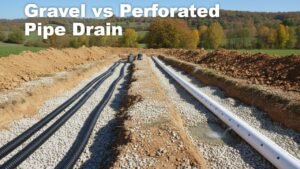
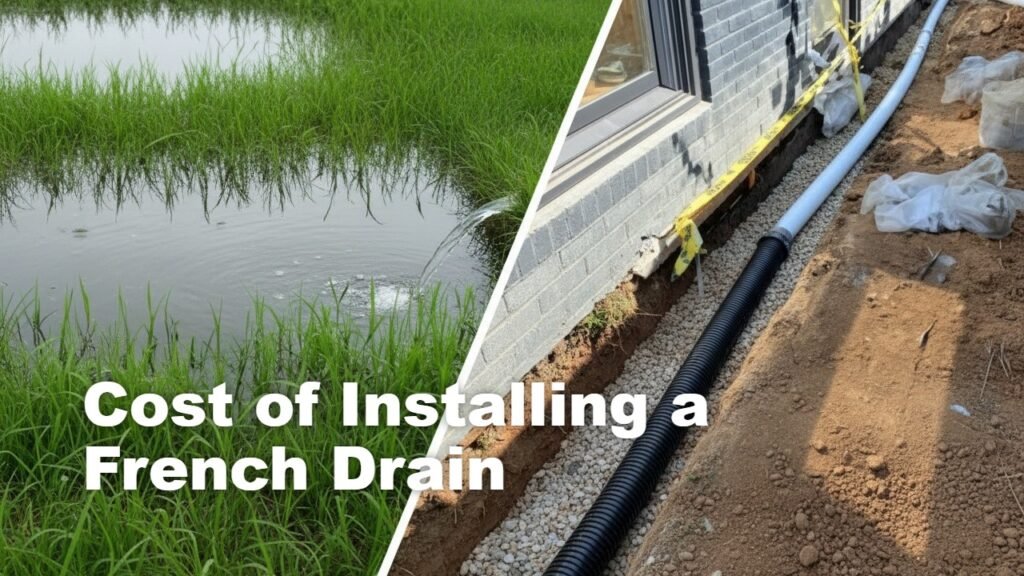
A French drain is a trench filled with gravel that contains a perforated pipe. The pipe collects excess water and directs it away from the problem area.
This system prevents water buildup near foundations and lawns. It works well in areas with poor drainage or heavy rainfall.
The cost of installing a French drain varies widely based on location and complexity. Understanding the purpose helps justify the investment.
Average Cost Range for French Drain Installation
Pricing depends on property size and installation difficulty.
Typical Residential Costs
Most residential installations range from moderate to high cost levels. Simple yard systems cost less. Foundation perimeter systems cost more due to excavation and depth.
Cost Per Linear Foot
Many contractors price French drains per linear foot. Costs increase with trench depth and soil difficulty.
DIY vs Professional Installation
DIY installation reduces labor costs but requires proper tools and knowledge. Professional installation ensures correct slope and long-term performance.
Understanding the cost of installing a French drain helps determine whether to hire professionals or attempt installation independently.
Factors That Affect Installation Cost
Several variables influence total project cost.
Length of Drain System
Longer drains require more materials and labor. Properties with large yards need extended piping.
Depth of Installation
Deeper trenches increase labor and excavation costs. Foundation drains require deeper placement than surface yard drains.
Soil Type
Rocky soil increases excavation difficulty. Clay soil may require additional gravel and drainage fabric.
Accessibility
Limited access for equipment raises labor costs. Tight spaces require manual digging.
Each factor influences the cost of installing a French drain significantly.
Material Cost Breakdown
Materials form a major portion of total cost.
| Material | Purpose | Cost Impact | Notes |
|---|---|---|---|
| Perforated Pipe | Water collection | Moderate | PVC or flexible pipe options |
| Gravel | Drainage support | Moderate | Required for proper flow |
| Filter Fabric | Prevent clogging | Low | Extends system lifespan |
| Catch Basin | Water collection point | Optional | Adds cost if included |
| Outlet Pipe | Directs water away | Moderate | Essential for discharge |
Material quality affects performance and long-term durability.
Labor Cost Considerations
Labor often represents the largest expense.
Manual Excavation
Manual digging costs more due to labor hours. This applies to small yards or tight spaces.
Machine Excavation
Equipment speeds up installation. However, machinery rental adds cost.
Skilled Installation
Proper slope and pipe placement are critical. Hiring experienced installers ensures long-term performance.
Labor factors heavily into the cost of installing a French drain.
Yard vs Foundation French Drains
Different installation types affect cost.
Yard Drain Systems
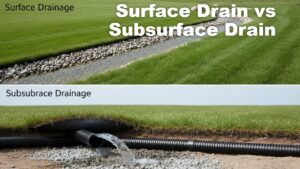
Yard systems typically run shallow. They address surface water pooling and soggy lawns. Costs remain lower compared to foundation systems.
Foundation Perimeter Drains
Foundation drains run deeper and require careful excavation around structures. These systems cost more due to complexity.
Interior Basement Drains
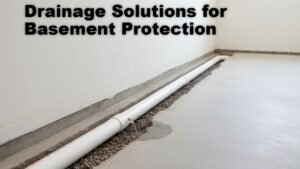
Interior systems require cutting concrete and installing sump pumps. These represent some of the highest installation costs.
Choosing the right system affects total project pricing.
Additional Cost Factors
Several extras may increase total cost.
Sump Pump Installation
Some systems require sump pumps. These remove collected water from the drainage basin.
Landscape Restoration
After installation, landscaping may need repair. Sod replacement or reseeding adds expense.
Permit Requirements
Some areas require permits for drainage work. Permit fees vary by location.
Each addition increases the cost of installing a French drain but improves effectiveness.
Long-Term Cost Benefits
While installation costs can seem high, long-term savings are significant.
Preventing Foundation Damage
Water intrusion leads to costly structural repairs. Proper drainage prevents these issues.
Reducing Mold and Moisture
Dry basements reduce mold risk and improve air quality.
Increasing Property Value
Proper drainage improves property appeal and resale value.
Investing in drainage reduces long-term maintenance expenses.
Maintenance Costs
French drains require periodic inspection.
Maintenance tasks include:
- Checking outlet flow
- Clearing debris
- Inspecting for clogs
- Monitoring water movement
Maintenance costs remain relatively low compared to installation.
Budget Planning Tips
Proper planning ensures realistic budgeting.
- Measure total drain length
- Evaluate soil conditions
- Request multiple quotes
- Include restoration costs
- Plan for maintenance
Accurate budgeting prevents unexpected expenses.
Common Mistakes That Increase Costs
Avoid these errors during planning.
Incorrect Slope
Improper slope prevents water flow. Repairs increase costs.
Using Low-Quality Materials
Cheap materials clog faster. Replacement costs add up.
Skipping Professional Advice
Poor installation reduces effectiveness and increases future repairs.
Avoiding these mistakes helps manage the cost of installing a French drain effectively.
Practical Installation Checklist
Follow these steps before starting:
- Identify water problem areas
- Measure drainage path
- Confirm discharge location
- Choose proper pipe type
- Plan trench depth
- Schedule professional installation if needed
Planning reduces project delays and unexpected costs.
FAQs
How much does a French drain cost per foot?
Costs vary depending on depth, materials, and labor. Deeper and longer systems cost more.
Is a French drain worth the investment?
Yes. It prevents costly water damage and protects foundations.
Can I install a French drain myself?
This YouTube video below by FRENCH DRAIN MAN explains how to install a French drain that actually works. It covers trench depth, pipe slope, gravel, and fabric to prevent clogs. The tutorial also shares field-tested tips to avoid common drainage mistakes. With strong viewer engagement, it stands as a helpful reference for reliable water management.
DIY installation is possible but requires proper slope and materials.
How long does a French drain last?
Properly installed systems can last decades with maintenance.
Does installation disrupt landscaping?
Yes, but landscaping can be restored after installation.
Conclusion
Water management plays a major role in property protection. The cost of installing a French drain depends on length, depth, materials, and labor complexity. While upfront costs may seem high, long-term savings make this drainage solution worthwhile.
Homeowners and property managers who invest in proper drainage prevent foundation damage and landscape erosion. Careful planning and professional installation ensure reliable performance. Evaluate your drainage needs and budget carefully to implement a system that protects your property and delivers lasting value.