Water conservation incentives by state help homeowners and property managers reduce water use, lower utility bills, and upgrade irrigation systems at a lower cost. Many states and municipalities now offer rebates, tax credits, and grant programs that reward efficient water use.
Rising water costs, drought conditions, and infrastructure demands have pushed governments to encourage conservation. Incentive programs often offset the cost of smart irrigation systems, turf replacement, and efficient fixtures.
Understanding water conservation incentives by state allows property owners to take advantage of financial support while improving landscape sustainability.
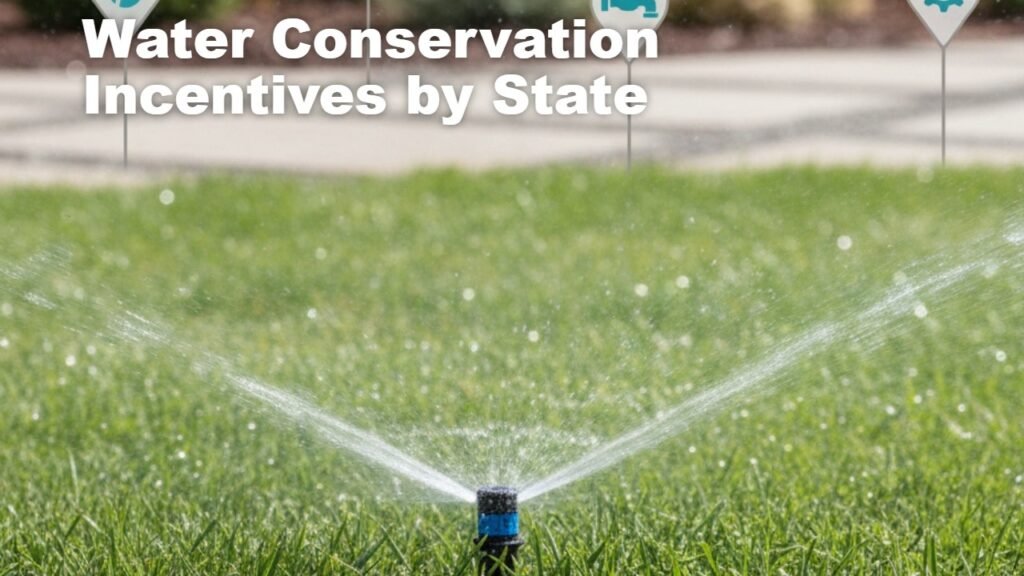
Why States Offer Water Conservation Incentives
Water utilities and governments face increasing pressure on supply systems. Population growth and climate variability strain reservoirs and groundwater sources.
Encouraging conservation reduces demand and delays costly infrastructure expansion. Incentives help property owners invest in efficient equipment without bearing the full cost.
Water conservation incentives by state benefit both utilities and consumers by promoting responsible water use.
Types of Water Conservation Incentives
This YouTube video below from Earth Science Answers explains the different types of water conservation. It outlines simple methods to reduce water use at home and in landscapes. The video serves as a quick reference for understanding sustainable water practices.
Programs vary widely, but most fall into several categories.
Irrigation Equipment Rebates
Many utilities offer rebates for installing:
- Smart irrigation controllers
- Soil moisture sensors
- High-efficiency sprinkler heads
- Drip irrigation systems
These upgrades improve watering accuracy and reduce waste.
Turf Replacement Rebates
Some states encourage replacing high-water turf with drought-tolerant landscaping. Rebates often pay per square foot of turf removed.
This YouTube video below from City of Bend Oregon explains turf replacement rebate programs. It shows how homeowners can switch to water-efficient landscapes and receive incentives. The video serves as a quick reference for saving water and reducing outdoor costs.
Rainwater Harvesting Incentives
Rain barrels and cistern systems may qualify for rebates. Captured rainwater can supplement irrigation.
Fixture Upgrade Programs
Low-flow fixtures and efficient appliances often qualify for rebates or tax credits.
These programs form the foundation of water conservation incentives by state.
Regional Trends in Incentive Programs
Incentives differ by region based on water availability and climate.
Western States
Western states often provide the most aggressive incentives due to drought conditions.
Common programs include:
- Turf removal rebates
- Smart controller rebates
- Water budget credits
- Xeriscape grants
States with strong programs:
- California
- Arizona
- Nevada
- Colorado
Southern States
Southern states offer moderate incentives focused on efficiency upgrades.
Typical programs include:
- Rain sensor rebates
- Smart controller incentives
- Landscape efficiency programs
States include:
- Texas
- Florida
- Georgia
Midwestern States
Midwestern programs often focus on infrastructure efficiency and voluntary conservation.
Programs include:
- Rain barrel rebates
- Efficient fixture incentives
- Community conservation grants
Northeastern States
Northeastern states emphasize water efficiency and stormwater management.
Programs often include:
- Rain garden grants
- Smart irrigation rebates
- Fixture upgrade incentives
Understanding regional trends helps property owners locate relevant programs.
Water Conservation Incentives by State Overview Table
| State | Common Incentives | Target Areas | Typical Savings |
|---|---|---|---|
| California | Turf rebates, smart controllers | Landscaping | High |
| Arizona | Xeriscape grants, drip irrigation | Residential yards | High |
| Nevada | Turf removal rebates | Lawns | High |
| Texas | Rain sensors, controller rebates | Irrigation | Moderate |
| Florida | Efficient irrigation rebates | Landscaping | Moderate |
| Colorado | Water budget incentives | Turf replacement | High |
| New York | Fixture upgrades, rain gardens | Efficiency | Moderate |
| Illinois | Rain barrels, fixtures | Residential | Moderate |
| Georgia | Smart controllers | Irrigation | Moderate |
| Washington | Landscape rebates | Conservation | Moderate |
This table highlights key water conservation incentives by state.
How to Find Local Incentive Programs
Check Utility Websites
Local water utilities often list available rebates and application requirements.
Contact Municipal Offices
City or county offices provide details on conservation programs.
Review State Environmental Agencies
State agencies maintain lists of available incentives and grants.
Researching local programs ensures access to water conservation incentives by state.
Eligibility Requirements
Programs typically require proof of installation or purchase. Some require pre-approval before upgrades begin.
Common requirements include:
- Property location within service area
- Approved equipment models
- Installation receipts
- Inspection verification
Understanding eligibility prevents application delays.
Financial Benefits of Incentive Programs
Water conservation incentives by state reduce upfront costs and long-term expenses.
Lower Utility Bills
Efficient systems reduce water consumption. Lower usage leads to smaller monthly bills.
Reduced Maintenance Costs
Modern irrigation systems require less maintenance and fewer repairs.
Increased Property Value
Efficient landscaping improves property appeal and sustainability ratings.
Financial benefits extend beyond initial rebates.
Technology Supported by Incentives
Modern irrigation technology often qualifies for rebates.
Smart Controllers
Weather-based controllers adjust watering schedules automatically.
This YouTube video below from Modern Gardener explains how smart irrigation controllers reduce water waste and lower utility bills. It highlights weather-based scheduling and automated adjustments for better efficiency. The video serves as a quick reference for upgrading to smarter irrigation systems.
Soil Moisture Sensors
Sensors prevent unnecessary watering.
High-Efficiency Sprinkler Heads
Improved distribution reduces water waste.
Technology investments often qualify for financial incentives.
Planning an Upgrade Strategy
Property owners should plan upgrades strategically.
Conduct a Water Audit
Identify areas of high water use. Determine which upgrades offer the greatest savings.
Prioritize Eligible Improvements
Focus on upgrades that qualify for incentives.
Track Application Deadlines
Many programs operate on annual budgets. Apply early to secure funding.
Planning ensures maximum benefit from water conservation incentives by state.
Practical Tips for Homeowners and Property Managers
Follow these steps to maximize incentives:
- Review local utility programs
- Install smart irrigation controllers
- Replace high-water turf
- Use drip irrigation
- Track water usage
- Maintain equipment regularly
- Apply for rebates promptly
Consistent effort leads to long-term savings.
Environmental Benefits
Water conservation incentives reduce demand on reservoirs and aquifers. Lower consumption protects ecosystems and supports sustainable growth.
Efficient water use also reduces energy consumption associated with treatment and pumping.
Common Mistakes to Avoid
Avoid these errors:
- Installing equipment before approval
- Ignoring program deadlines
- Choosing non-approved devices
- Failing to submit documentation
- Overlooking smaller local incentives
Avoiding mistakes improves approval success.
FAQs About Water Conservation Incentives by State
Are incentives available in every state?
Most states offer some form of incentive, though availability varies by region and utility.
Do I need approval before installing equipment?
Many programs require pre-approval. Check guidelines before purchasing.
How much can I save?
Savings depend on program type and property size. Some rebates cover a significant portion of upgrade costs.
Are commercial properties eligible?
Many programs include commercial properties, though requirements may differ.
How long do incentives last?
Programs may change annually based on funding. Check current availability.
Conclusion
Water conservation incentives by state provide valuable opportunities for homeowners and property managers to reduce water use and lower costs. Rebates, grants, and credits help offset the expense of efficient irrigation systems and sustainable landscaping upgrades.
Taking advantage of these programs improves property value, supports environmental conservation, and reduces long-term operating expenses.
You can explore more practical irrigation strategies, climate-based watering guides, and water-saving solutions on the Sprinkle Splash irrigation resource hub to continue improving your landscape efficiency.