Zoning strategy for mixed plant types determines whether your irrigation system supports plant health or creates long-term stress. Turf, shrubs, trees, and ornamental plants all require different watering schedules. When grouped incorrectly, some plants receive too much water while others struggle to survive.
Homeowners and property managers often install irrigation without considering plant water needs. This leads to runoff, root rot, dry patches, and higher water bills. A thoughtful zoning plan prevents these issues and improves overall landscape performance.
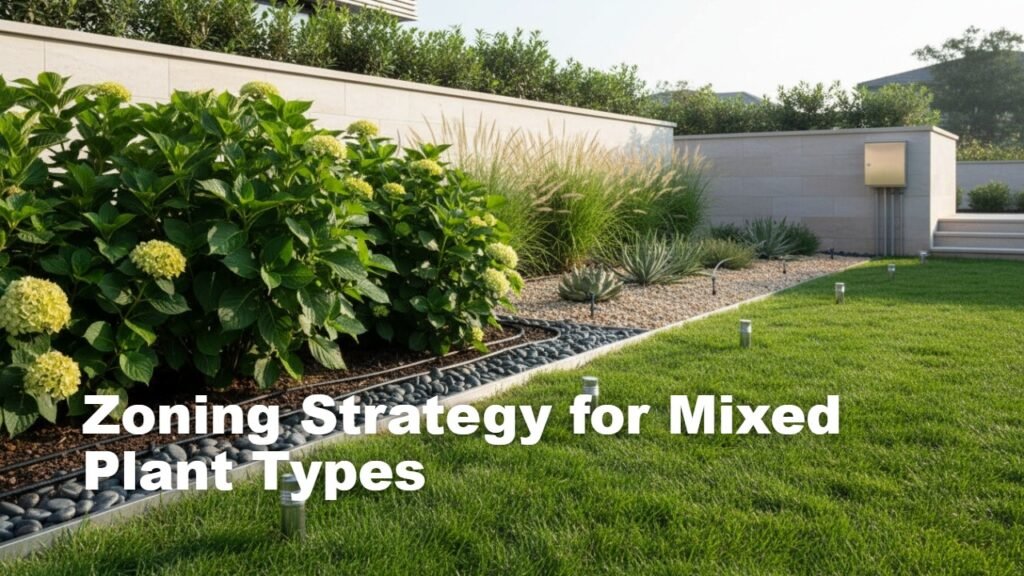
This guide explains how to divide irrigation zones based on plant type, soil conditions, sun exposure, and hydraulic capacity. You will learn how to create a balanced system that promotes efficient watering and long-term sustainability.
Why Plant-Based Zoning Matters
This YouTube video below from Urban Institute explains how zoning and land-use policies shape communities. It shows how regulations influence housing, development, and local growth. The overview helps readers understand how planning decisions affect daily life and long-term urban design.
Different plants absorb and use water differently. Turfgrass requires shallow, frequent watering. Trees need deeper, less frequent irrigation. Shrubs fall somewhere in between.
Combining all plant types into one zone forces a compromise. Either turf gets underwatered or trees get overwatered. Neither result supports healthy growth.
A well-planned zoning strategy for mixed plant types aligns irrigation schedules with biological needs. Proper grouping improves plant health and water efficiency.
Understanding Plant Water Requirements
Before dividing zones, understand how plant categories differ.
Turfgrass
Grass has shallow roots. It requires consistent moisture in the top few inches of soil. Frequent but controlled watering works best.
Shrubs
Shrubs develop deeper roots than turf. They prefer moderate watering with longer soak times.
Trees
Trees require deep watering that penetrates several inches into the soil. They do not need frequent irrigation once established.
Annual and Perennial Beds
Flower beds often require tailored irrigation. Seasonal changes influence watering schedules.
Understanding these differences forms the foundation of zoning strategy for mixed plant types.
Core Principles of Plant-Based Zoning
Effective irrigation zoning follows several core principles.
Group by Water Demand
Place plants with similar water requirements in the same zone. Avoid mixing drought-tolerant plants with water-intensive turf.
Consider Root Depth
Shallow-rooted and deep-rooted plants require different run times. Separate zones ensure correct soak periods.
Account for Sun Exposure
Plants in full sun dry out faster. Shade zones require less frequent watering.
Evaluate Soil Type
Sandy soil drains quickly. Clay soil retains moisture longer. Soil differences may justify separate zones.
Applying these principles strengthens zoning strategy for mixed plant types and prevents irrigation imbalance.
Step-by-Step Zoning Process
This YouTube video below from Rayon.design explains how to create a zoning plan quickly with a step-by-step method. It covers layout planning, space use, and basic design structure. The overview helps readers understand fast and efficient zoning for projects.
A structured approach simplifies irrigation planning.
Step 1: Map the Landscape
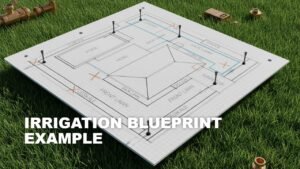
Create a scaled drawing of your property. Mark turf areas, shrubs, trees, and flower beds. Include slopes and hardscape.
Step 2: Identify Microclimates
Separate sunny areas from shaded sections. Wind exposure also influences drying rates.
Step 3: Assign Preliminary Zones
Divide the landscape based on plant type first. Then refine based on soil and sun exposure.
Step 4: Calculate Hydraulic Capacity
Ensure each zone remains within system flow and pressure limits. Proper hydraulic balance supports even distribution.
This process ensures zoning strategy for mixed plant types remains both practical and efficient.
Choosing Irrigation Methods for Each Zone
Different plant groups require different irrigation technologies.
Sprinkler Systems for Turf
Spray heads and rotors work well for grass areas. Maintain head-to-head coverage for uniform watering.
Drip Irrigation for Shrubs and Beds
Drip systems deliver water directly to roots. They reduce evaporation and overspray.
Bubblers for Trees
Tree bubblers allow deep soaking. They support root growth and reduce runoff.
Matching irrigation method to plant type enhances zoning strategy for mixed plant types.
Avoiding Common Zoning Mistakes
Many irrigation problems stem from poor grouping.
Mixing Turf and Shrubs
Grass requires frequent watering. Shrubs do not. Mixing them causes stress for both.
Ignoring Elevation Changes
Water runs downhill. Upper zones may dry out faster. Slopes require separate scheduling.
Oversized Zones
Large zones reduce pressure and compromise coverage. Divide zones to maintain hydraulic balance.
Avoiding these mistakes improves performance and efficiency.
Scheduling for Mixed Plant Zones
This YouTube video below from Gardening Homestead explains a complete garden planting schedule for different zones. It covers timing, seasonal planning, and crop rotation basics. The overview helps readers plan planting dates for better garden success.
Even properly divided zones require tailored schedules.
Turf Schedule
Short, frequent watering sessions work best. Avoid runoff by using cycle-and-soak methods.
Shrub and Bed Schedule
Longer watering sessions at lower frequency encourage deeper root growth.
Tree Watering Schedule
Deep watering once or twice per week usually suffices. Adjust for climate and season.
Scheduling supports the long-term success of zoning strategy for mixed plant types.
Smart Controller Integration
Technology simplifies complex irrigation systems.
Weather-Based Controllers
Smart controllers adjust watering based on rainfall and temperature. This prevents overwatering.
Soil Moisture Sensors
Sensors monitor moisture levels. They reduce guesswork and improve efficiency.
Flow Monitoring
Flow sensors detect leaks or broken heads quickly.
Automation enhances zoning strategy for mixed plant types and reduces water waste.
Water Conservation and Sustainability
Efficient zoning reduces water consumption. Grouping plants correctly eliminates unnecessary watering.
Benefits include:
- Lower water bills
- Reduced runoff
- Healthier root systems
- Improved soil structure
- Compliance with water restrictions
Responsible irrigation practices align with environmental goals.
Maintenance Considerations
Regular inspection ensures zones operate correctly.
Maintenance checklist:
- Inspect sprinkler alignment
- Clean drip emitters
- Adjust seasonal schedules
- Monitor pressure levels
- Replace damaged components
Routine care supports long-term system reliability.
Budget Planning and Cost Efficiency
Installing additional zones increases upfront costs. However, long-term savings outweigh initial investment.
Proper zoning reduces plant replacement costs. Efficient watering lowers utility bills. Smart controllers further reduce expenses.
Investing in zoning strategy for mixed plant types protects landscape value.
Practical Implementation Checklist
Follow these steps for effective results:
- Group plants by water needs
- Separate turf from shrubs
- Use drip for beds
- Install pressure regulators
- Program customized schedules
- Review zones annually
Consistent evaluation ensures continued efficiency.
FAQs
Why should turf and shrubs be in separate zones?
Turf requires frequent watering. Shrubs need deeper, less frequent irrigation. Separate zones prevent stress.
Can one irrigation system handle mixed plant types?
Yes, but it must include multiple zones with tailored schedules.
Does soil type affect zoning?
Yes. Different soils absorb water at different rates. Separate zones may be necessary.
Are smart controllers helpful for mixed landscapes?
Yes. Smart controllers adjust watering automatically and improve efficiency.
How often should zones be reviewed?
Inspect zones annually and after major landscaping changes.
Conclusion
Efficient irrigation begins with proper plant grouping. A well-planned zoning strategy for mixed plant types ensures each plant receives the right amount of water. Correct zoning prevents stress, reduces waste, and improves landscape health.
Homeowners and property managers who invest in thoughtful irrigation design see long-term savings and stronger plant growth. Review your landscape layout carefully and implement a zoning plan that aligns water delivery with plant needs for reliable, sustainable results.