Irrigation system design determines whether landscapes thrive or waste water. A smart layout keeps turf, plants, and soil healthy year-round. Property owners depend on efficient systems to control costs and prevent damage. Engineers and contractors use planning methods that balance pressure, coverage, and water conservation. This guide explains how to design a system that performs reliably across residential and commercial properties.
A well-engineered system reduces runoff, avoids dry spots, and extends plant health. Poor planning causes leaks, overspray, and high water bills. Property managers need clear guidance to avoid expensive redesigns later. Homeowners want consistent watering without manual effort. Effective design starts with data and ends with precision installation.

Understanding Irrigation System Design Fundamentals
This YouTube video below from Landscapeplus explains the basics of irrigation design for lawns and gardens. It covers layout planning, zone selection, and water efficiency. The overview helps readers build smarter irrigation systems for healthier landscapes.
Irrigation system design focuses on delivering the right amount of water at the right time. Each zone must receive uniform coverage. Pressure, flow rate, and pipe sizing determine performance. Soil type and plant selection influence scheduling. Smart controllers refine efficiency over time.
Core Design Objectives
Every irrigation layout should meet these goals:
- Achieve uniform water distribution across zones
- Prevent overspray onto hard surfaces
- Reduce water waste and runoff
- Maintain proper operating pressure
- Allow for seasonal adjustments
Design decisions must support both plant health and water efficiency. Systems that ignore hydraulic balance fail quickly.
Site Evaluation and Property Assessment
A successful irrigation system design begins with a full site review. Engineers gather data before selecting equipment. This step ensures accurate zone planning and water delivery.
Key Factors to Analyze
Designers should document:
- Property size and layout
- Sun exposure and shade patterns
- Soil type and drainage capacity
- Slope and elevation changes
- Plant types and root depth
- Local water pressure and flow
Clay soil holds moisture longer than sandy soil. Sloped terrain requires pressure regulation. Shade reduces evaporation. Each factor shapes the final design.
Soil and Drainage Testing
Soil testing helps determine infiltration rates. Compacted soil slows absorption. Sandy soil drains quickly. Loamy soil offers balanced retention. Testing ensures correct sprinkler spacing and runtime scheduling.
Water Source and Pressure Calculations
Water supply determines system capacity. Designers must measure available pressure and flow rate. Incorrect calculations lead to weak coverage or pipe damage.
Determining Flow Rate
Use a flow test to measure gallons per minute. This number defines how many sprinklers can operate in one zone. Exceeding capacity lowers pressure and reduces performance.
Pressure Considerations
Most systems operate between 30 and 60 PSI. High pressure causes misting and overspray. Low pressure creates uneven coverage. Regulators help maintain stable pressure across zones.
Zoning Strategy and Layout Planning
This YouTube video below from Rayon.design explains how to create a zoning plan quickly using a step-by-step method. It shows how to divide spaces for function and flow. The guidance helps readers plan layouts more efficiently.
Irrigation system design divides landscapes into zones. Each zone contains sprinklers with similar water needs. Grouping plants by water demand improves efficiency.
Zone Planning Best Practices
Follow these layout principles:
- Separate turf and plant beds
- Group sunny and shaded areas
- Keep slopes on dedicated zones
- Match sprinkler types within zones
- Limit zone size based on flow capacity
Zoning allows controllers to adjust runtime independently. This approach prevents overwatering sensitive plants.
Sprinkler Head Placement
Head-to-head coverage ensures uniform watering. Each sprinkler should reach the next. Overlapping patterns eliminate dry spots. Spacing depends on nozzle type and pressure.
Selecting Irrigation Components
Equipment choice affects performance and durability. Designers must select parts that match site conditions. Quality components reduce maintenance costs.
Sprinkler Types
Different areas require different sprinkler styles:
- Rotors: Best for large turf areas
- Spray heads: Ideal for small lawns
- Drip irrigation: Suitable for plant beds
- Bubblers: Used for trees and shrubs
Matching sprinkler type to landscape improves water efficiency.
Pipes and Valves
Pipe diameter affects flow and pressure. Larger pipes reduce friction loss. Valves control water distribution across zones. Durable materials extend system life.
Hydraulic Design and Pipe Sizing
Hydraulic calculations ensure balanced water delivery. Designers must account for friction loss and elevation changes. Incorrect sizing leads to pressure drops.
Pipe Sizing Guidelines
Consider these factors:
- Total zone flow rate
- Pipe length
- Elevation changes
- Material type
Larger mainlines support higher flow. Lateral lines can be smaller. Proper sizing maintains consistent pressure across sprinklers.
Pressure Loss Management
Pressure decreases as water travels through pipes. Long runs increase friction loss. Designers should minimize sharp turns. Efficient layouts reduce energy waste.
Smart Controllers and Automation
Modern irrigation system design includes smart technology. Controllers adjust watering based on weather data. Automation improves efficiency and convenience.
Benefits of Smart Controllers
Smart systems provide:
- Weather-based scheduling
- Remote monitoring
- Leak detection
- Seasonal adjustments
- Water usage tracking
Automation reduces manual oversight. Property managers save time and water.
Sensor Integration
Rain sensors prevent watering during storms. Soil sensors measure moisture levels. Flow sensors detect leaks. These tools protect landscapes and reduce costs.
Water Efficiency and Sustainability
Water conservation remains a priority for property owners. Efficient irrigation system design lowers consumption without harming plants. Sustainable practices also reduce utility bills.
Efficiency Strategies
Use these methods:
- Install pressure-regulated heads
- Adjust runtime by season
- Use drip irrigation in beds
- Avoid watering during midday
- Conduct regular audits
Efficient systems protect resources and maintain healthy landscapes.
Installation and Testing Procedures
Accurate installation ensures design performance. Contractors must follow layout plans carefully. Testing verifies coverage and pressure.
Installation Checklist
Ensure the following steps occur:
- Verify pipe connections
- Install valves correctly
- Set sprinkler heights
- Flush lines before use
- Program controller settings
Testing should include a full system run. Inspect for leaks and dry spots.
System Calibration
Adjust nozzle angles and runtime. Confirm head-to-head coverage. Check pressure at each zone. Calibration ensures uniform watering.
Maintenance and Long-Term Performance
Routine maintenance protects irrigation investments. Systems require seasonal checks and adjustments. Neglect leads to costly repairs.
Maintenance Tasks
Property owners should perform:
- Seasonal startup inspections
- Winterization in cold climates
- Nozzle cleaning
- Leak detection
- Controller updates
Regular inspections extend system lifespan. Maintenance also preserves water efficiency.
Common Irrigation Design Mistakes
Many systems fail due to planning errors. Avoid these mistakes to ensure long-term performance.
- Oversized zones
- Mixed sprinkler types
- Poor pressure regulation
- Incorrect pipe sizing
- Lack of drainage planning
Professional irrigation system design prevents these issues.
Practical Tips for Homeowners and Property Managers
Owners should understand basic design principles. Awareness improves communication with contractors.
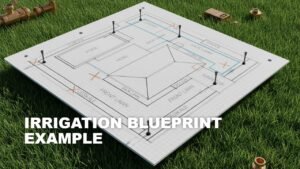
- Request a detailed layout plan
- Ask for pressure calculations
- Choose smart controllers
- Schedule annual inspections
- Monitor water usage
Active management ensures reliable system performance.
FAQs
What is irrigation system design?
Irrigation system design involves planning equipment, layout, and water delivery to ensure efficient landscape watering.
How many zones should a property have?
Zone count depends on size, water pressure, and plant types. Most homes require four to ten zones.
Why is pressure important in irrigation systems?
Proper pressure ensures even coverage. High pressure wastes water. Low pressure causes dry areas.
Should I choose drip irrigation or sprinklers?
Use sprinklers for turf areas. Drip irrigation works best for plant beds and shrubs.
How often should irrigation systems be inspected?
Inspect systems at least twice per year. Seasonal checks prevent leaks and inefficiencies.
Conclusion
Irrigation system design forms the backbone of landscape health and water efficiency. Careful planning ensures balanced coverage and reliable performance. Property owners who invest in professional design reduce costs and protect plant life. Smart technology improves control and reduces waste. A well-engineered system delivers consistent results across seasons. Explore advanced irrigation solutions today to see how expert design transforms landscape performance.