Future-Proofing Irrigation Systems Against Climate Shifts

Future-Proofing Irrigation Systems Against Climate Shifts

Future-proofing irrigation systems against climate shifts has become essential for homeowners and property managers facing unpredictable weather patterns, rising temperatures, and changing rainfall cycles. Irrigation systems designed for past climate norms often fail under modern conditions. Longer droughts, intense storms, and extended growing seasons demand adaptable infrastructure.

Property owners must now build irrigation strategies that remain efficient under shifting climate realities. Systems must handle both water scarcity and excess rainfall while protecting landscapes and controlling costs.

This guide explains how future-proofing irrigation systems against climate shifts helps create resilient landscapes that perform reliably despite changing environmental conditions.

Current image: Future-Proofing Irrigation Systems Against Climate Shifts

Why Climate Shifts Affect Irrigation Planning

Climate variability has increased in many regions. Weather patterns that once remained stable now fluctuate widely.

Common changes include:

Traditional irrigation schedules cannot respond to these changes effectively. Future-proofing irrigation systems against climate shifts requires flexible design and advanced technology.


Key Risks to Irrigation Systems

Drought and Water Restrictions

Many regions now face recurring drought cycles. Water allocations may shrink during peak summer months.

Systems must operate efficiently within limited watering windows.

Heavy Rainfall and Runoff

Intense storms can saturate soil quickly. Poor drainage leads to runoff and erosion. Irrigation systems must pause automatically during heavy rainfall.

Temperature Extremes

Extreme heat accelerates evaporation. Cold snaps may freeze shallow lines. Systems must adapt to both conditions.

Understanding these risks supports effective future-proofing irrigation systems against climate shifts.


Designing Flexible Irrigation Systems

Flexible design allows systems to adjust to changing conditions.

Zoning by Plant Type

Separate zones for turf, shrubs, and trees improve efficiency. Each zone receives appropriate watering depth.

This YouTube video below from Gardenary explains planting zones and why they are not the only factor in plant success. It highlights climate, soil, and microclimate influences on growth. The video serves as a quick reference for smarter plant selection and garden planning.

Adjustable Flow Rates

Variable flow rates allow systems to adapt to seasonal demand. Higher flow may be needed during heat waves, while lower flow suits cooler periods.

Modular Components

Modular systems allow upgrades without full replacement. Property owners can add sensors or controllers over time.

Flexible design supports long-term resilience.


Smart Technology Integration

Technology plays a central role in future-proofing irrigation systems against climate shifts.

Smart Irrigation Controllers

Weather-based controllers adjust schedules automatically. They respond to rainfall, temperature, and humidity data.

Soil Moisture Sensors

This YouTube video below from OklahomaGardening explains how to use soil moisture sensors in landscapes and gardens. It shows how real-time soil data improves watering accuracy and prevents overwatering. The video serves as a quick reference for smarter irrigation management.

Sensors measure moisture at root depth. Irrigation activates only when necessary.

Flow Monitoring Devices

Flow sensors detect leaks and abnormal water use. Early detection prevents waste and damage.

Technology ensures systems respond to real-time conditions.


Climate-Resilient Plant Selection

Plant selection influences irrigation demand.

Native and Drought-Tolerant Plants

Native species adapt to local climate conditions. They require less supplemental watering.

Deep-Rooted Turf Varieties

Deep-rooted grasses tolerate drought better. They access moisture deeper in the soil.

Mixed Planting Strategies

Combining plant types reduces overall water demand.

Selecting resilient plants strengthens future-proofing irrigation systems against climate shifts.


Soil Health and Water Retention

Healthy soil improves irrigation efficiency.

Increase Organic Matter

Compost improves water retention and infiltration. Organic matter helps soil hold moisture longer.

Mulching

Mulch reduces evaporation and stabilizes soil temperature.

Aeration

Aerating compacted soil improves water penetration and root oxygen.

Soil improvement supports long-term climate adaptation.


Seasonal Adaptation Strategies

Future-proofing irrigation systems against climate shifts requires seasonal adjustments.

Spring

Monitor rainfall and adjust schedules gradually as temperatures rise.

Summer

Increase watering depth rather than frequency. Watch for heat stress signs.

Fall

Reduce irrigation gradually as growth slows.

Winter

Shut down or reduce irrigation in freezing climates. Monitor for dry winter periods.

Seasonal flexibility keeps systems efficient year-round.


Water Budgeting for Climate Uncertainty

Water budgets help manage usage during unpredictable seasons.

Track Usage Trends

Monitor monthly water consumption. Compare usage with historical averages.

Plan for Drought Years

Set contingency plans for reduced water allocations.

Invest in Efficiency

Efficient equipment reduces total consumption even during peak demand.

Budget planning supports future-proofing irrigation systems against climate shifts.


Comparative Climate Adaptation Table

Climate ChallengeIrrigation AdjustmentTechnology Support
DroughtDeep watering cyclesSmart controllers
Heavy rainPause irrigationRain sensors
Heat wavesIncrease depthSoil sensors
Cold snapsWinterizationTemperature alerts
Extended seasonsAdjust schedulesWeather data systems

This table summarizes practical adaptation steps.


Maintenance for Long-Term Resilience

Routine maintenance ensures systems remain reliable.

Monthly Inspections

Check sprinkler heads, valves, and controllers. Repair leaks promptly.

Seasonal Audits

Professional audits identify inefficiencies and coverage issues.

System Upgrades

Replace outdated components with efficient alternatives.

Maintenance keeps systems adaptable.


Financial Considerations

Future-proofing irrigation systems against climate shifts requires upfront investment but delivers long-term savings.

Reduced Water Bills

Efficient systems use less water. Lower consumption reduces monthly costs.

Fewer Repairs

Modern equipment lasts longer and requires fewer repairs.

Increased Property Value

Sustainable landscapes improve property appeal and market value.

Investing in resilience pays off over time.


Practical Action Plan

Follow these steps to future-proof your irrigation system:

  • Install smart controllers
  • Add soil moisture sensors
  • Upgrade sprinkler heads
  • Improve soil health
  • Replace high-water plants
  • Monitor usage regularly
  • Adjust schedules seasonally

Consistent effort improves results.


Environmental Benefits

Efficient irrigation reduces strain on water supplies. Lower runoff protects local waterways. Sustainable landscapes support long-term ecosystem health.

Future-proofing irrigation systems against climate shifts benefits both property owners and communities.


Common Mistakes to Avoid

Avoid these errors:

  • Using outdated timers
  • Ignoring rainfall data
  • Overwatering during cool periods
  • Failing to upgrade equipment
  • Skipping maintenance

Correcting these mistakes improves system performance.


FAQs About Future-Proofing Irrigation Systems Against Climate Shifts

Why is future-proofing important?

Climate variability makes fixed irrigation schedules unreliable. Adaptable systems maintain efficiency.

Are smart controllers necessary?

They are highly recommended. Smart controllers adjust schedules automatically.

How often should systems be upgraded?

Review systems every three to five years. Upgrade components as needed.

Can native plants reduce irrigation needs?

Yes. Native plants often require less water and adapt better to local climate.

Do soil improvements help during drought?

Yes. Healthy soil retains moisture and reduces irrigation demand.


Conclusion

Future-proofing irrigation systems against climate shifts is essential for maintaining healthy landscapes under changing environmental conditions. Drought, heavy rainfall, and temperature extremes demand adaptable systems and efficient technology.

Homeowners and property managers who invest in flexible design, smart controllers, and resilient plant selections create landscapes that withstand climate uncertainty while reducing costs.

Evaluate your current irrigation setup today and implement future-proofing irrigation systems against climate shifts strategies that ensure long-term efficiency and sustainable landscape performance.
Last updated: April 7, 2026 By Sprinklesplash Team
Share:
Water Conservation Incentives by State

Water conservation incentives by state help homeowners and property managers reduce water use, lower utility bills, and upgrade irrigation systems at a lower cost. Many states and municipalities now offer rebates, tax credits, and grant programs that reward efficient water use.

Rising water costs, drought conditions, and infrastructure demands have pushed governments to encourage conservation. Incentive programs often offset the cost of smart irrigation systems, turf replacement, and efficient fixtures.

Understanding water conservation incentives by state allows property owners to take advantage of financial support while improving landscape sustainability.

Current image: Water Conservation Incentives by State

Why States Offer Water Conservation Incentives

Water utilities and governments face increasing pressure on supply systems. Population growth and climate variability strain reservoirs and groundwater sources.

Encouraging conservation reduces demand and delays costly infrastructure expansion. Incentives help property owners invest in efficient equipment without bearing the full cost.

Water conservation incentives by state benefit both utilities and consumers by promoting responsible water use.


Types of Water Conservation Incentives

This YouTube video below from Earth Science Answers explains the different types of water conservation. It outlines simple methods to reduce water use at home and in landscapes. The video serves as a quick reference for understanding sustainable water practices.

Programs vary widely, but most fall into several categories.

Irrigation Equipment Rebates

Many utilities offer rebates for installing:

These upgrades improve watering accuracy and reduce waste.

Turf Replacement Rebates

Some states encourage replacing high-water turf with drought-tolerant landscaping. Rebates often pay per square foot of turf removed.

This YouTube video below from City of Bend Oregon explains turf replacement rebate programs. It shows how homeowners can switch to water-efficient landscapes and receive incentives. The video serves as a quick reference for saving water and reducing outdoor costs.

Rainwater Harvesting Incentives

Rain barrels and cistern systems may qualify for rebates. Captured rainwater can supplement irrigation.

Fixture Upgrade Programs

Low-flow fixtures and efficient appliances often qualify for rebates or tax credits.

These programs form the foundation of water conservation incentives by state.


Regional Trends in Incentive Programs

Incentives differ by region based on water availability and climate.

Western States

Western states often provide the most aggressive incentives due to drought conditions.

Common programs include:

  • Turf removal rebates
  • Smart controller rebates
  • Water budget credits
  • Xeriscape grants

States with strong programs:

  • California
  • Arizona
  • Nevada
  • Colorado

Southern States

Southern states offer moderate incentives focused on efficiency upgrades.

Typical programs include:

  • Rain sensor rebates
  • Smart controller incentives
  • Landscape efficiency programs

States include:

  • Texas
  • Florida
  • Georgia

Midwestern States

Midwestern programs often focus on infrastructure efficiency and voluntary conservation.

Programs include:

  • Rain barrel rebates
  • Efficient fixture incentives
  • Community conservation grants

Northeastern States

Northeastern states emphasize water efficiency and stormwater management.

Programs often include:

  • Rain garden grants
  • Smart irrigation rebates
  • Fixture upgrade incentives

Understanding regional trends helps property owners locate relevant programs.


Water Conservation Incentives by State Overview Table

StateCommon IncentivesTarget AreasTypical Savings
CaliforniaTurf rebates, smart controllersLandscapingHigh
ArizonaXeriscape grants, drip irrigationResidential yardsHigh
NevadaTurf removal rebatesLawnsHigh
TexasRain sensors, controller rebatesIrrigationModerate
FloridaEfficient irrigation rebatesLandscapingModerate
ColoradoWater budget incentivesTurf replacementHigh
New YorkFixture upgrades, rain gardensEfficiencyModerate
IllinoisRain barrels, fixturesResidentialModerate
GeorgiaSmart controllersIrrigationModerate
WashingtonLandscape rebatesConservationModerate

This table highlights key water conservation incentives by state.


How to Find Local Incentive Programs

Check Utility Websites

Local water utilities often list available rebates and application requirements.

Contact Municipal Offices

City or county offices provide details on conservation programs.

Review State Environmental Agencies

State agencies maintain lists of available incentives and grants.

Researching local programs ensures access to water conservation incentives by state.


Eligibility Requirements

Programs typically require proof of installation or purchase. Some require pre-approval before upgrades begin.

Common requirements include:

  • Property location within service area
  • Approved equipment models
  • Installation receipts
  • Inspection verification

Understanding eligibility prevents application delays.


Financial Benefits of Incentive Programs

Water conservation incentives by state reduce upfront costs and long-term expenses.

Lower Utility Bills

Efficient systems reduce water consumption. Lower usage leads to smaller monthly bills.

Reduced Maintenance Costs

Modern irrigation systems require less maintenance and fewer repairs.

Increased Property Value

Efficient landscaping improves property appeal and sustainability ratings.

Financial benefits extend beyond initial rebates.


Technology Supported by Incentives

Modern irrigation technology often qualifies for rebates.

Smart Controllers

Weather-based controllers adjust watering schedules automatically.

This YouTube video below from Modern Gardener explains how smart irrigation controllers reduce water waste and lower utility bills. It highlights weather-based scheduling and automated adjustments for better efficiency. The video serves as a quick reference for upgrading to smarter irrigation systems.

Soil Moisture Sensors

Sensors prevent unnecessary watering.

High-Efficiency Sprinkler Heads

Improved distribution reduces water waste.

Technology investments often qualify for financial incentives.


Planning an Upgrade Strategy

Property owners should plan upgrades strategically.

Conduct a Water Audit

Identify areas of high water use. Determine which upgrades offer the greatest savings.

Prioritize Eligible Improvements

Focus on upgrades that qualify for incentives.

Track Application Deadlines

Many programs operate on annual budgets. Apply early to secure funding.

Planning ensures maximum benefit from water conservation incentives by state.


Practical Tips for Homeowners and Property Managers

Follow these steps to maximize incentives:

  • Review local utility programs
  • Install smart irrigation controllers
  • Replace high-water turf
  • Use drip irrigation
  • Track water usage
  • Maintain equipment regularly
  • Apply for rebates promptly

Consistent effort leads to long-term savings.


Environmental Benefits

Water conservation incentives reduce demand on reservoirs and aquifers. Lower consumption protects ecosystems and supports sustainable growth.

Efficient water use also reduces energy consumption associated with treatment and pumping.


Common Mistakes to Avoid

Avoid these errors:

  • Installing equipment before approval
  • Ignoring program deadlines
  • Choosing non-approved devices
  • Failing to submit documentation
  • Overlooking smaller local incentives

Avoiding mistakes improves approval success.


FAQs About Water Conservation Incentives by State

Are incentives available in every state?

Most states offer some form of incentive, though availability varies by region and utility.

Do I need approval before installing equipment?

Many programs require pre-approval. Check guidelines before purchasing.

How much can I save?

Savings depend on program type and property size. Some rebates cover a significant portion of upgrade costs.

Are commercial properties eligible?

Many programs include commercial properties, though requirements may differ.

How long do incentives last?

Programs may change annually based on funding. Check current availability.


Conclusion

Water conservation incentives by state provide valuable opportunities for homeowners and property managers to reduce water use and lower costs. Rebates, grants, and credits help offset the expense of efficient irrigation systems and sustainable landscaping upgrades.

Taking advantage of these programs improves property value, supports environmental conservation, and reduces long-term operating expenses.

You can explore more practical irrigation strategies, climate-based watering guides, and water-saving solutions on the Sprinkle Splash irrigation resource hub to continue improving your landscape efficiency.

Last updated: April 7, 2026 By Sprinklesplash Team
Share:
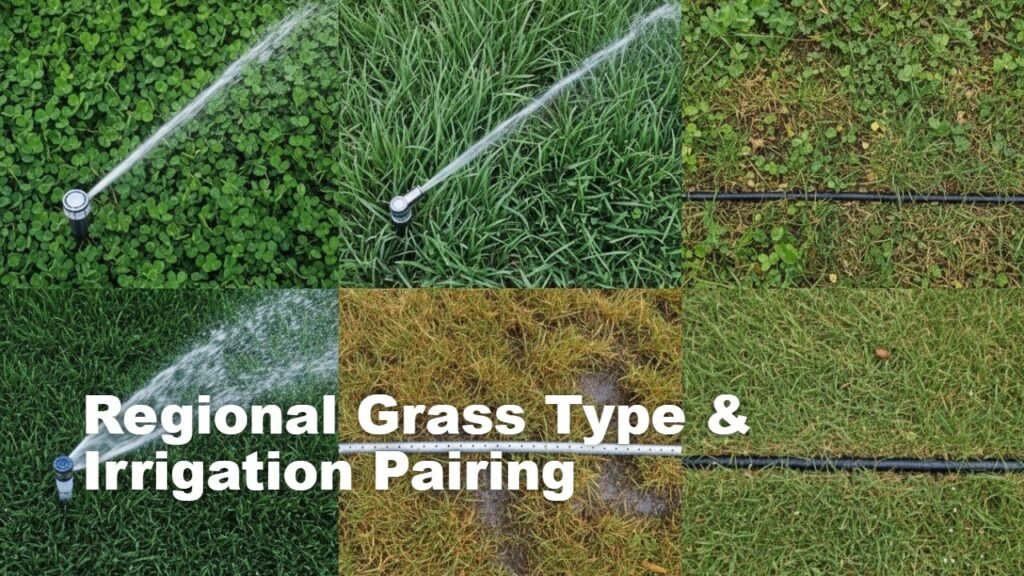
Regional Grass Type & Irrigation Pairing

Regional grass type & irrigation pairing determines whether a lawn thrives or struggles under local climate conditions. Many irrigation problems start with a mismatch between turf species and watering schedules. A grass variety suited for one region may fail in another due to temperature, rainfall, or soil differences.

Homeowners and property managers often install irrigation systems without adjusting them for the grass type. That mistake leads to shallow roots, disease outbreaks, and wasted water.

Understanding regional grass type & irrigation pairing helps create resilient lawns, reduce water use, and improve long-term landscape performance.

Current image: Regional Grass Type & Irrigation Pairing

Why Grass Type and Irrigation Must Work Together

Different grass species have unique root depths, growth cycles, and water needs. Pairing the wrong irrigation strategy with a specific turf variety causes stress and inefficiency.

Warm-season grasses require deep, less frequent watering. Cool-season grasses often need more consistent moisture during active growth.

A correct regional grass type & irrigation pairing ensures water reaches the root zone at the right time and depth.


Major Turfgrass Categories

This YouTube video below from OklahomaGardening explains the main types of turfgrasses for residential lawns. It highlights differences in climate needs, growth habits, and maintenance levels. The video serves as a quick reference for choosing the right grass for your yard.

Cool-Season Grasses

Cool-season grasses grow best in northern and transitional climates. They thrive during spring and fall when temperatures remain moderate.

Common varieties include:

  • Kentucky bluegrass
  • Perennial ryegrass
  • Tall fescue

These grasses require consistent moisture but can suffer during extreme heat.

Warm-Season Grasses

Warm-season grasses thrive in southern and western climates. They tolerate heat and drought better than cool-season varieties

Common varieties include:

  • Bermuda grass
  • Zoysia grass
  • St. Augustine grass
  • Centipede grass

These grasses grow actively during summer and need less frequent irrigation.


Regional Climate and Grass Selection

Climate plays a central role in regional grass type & irrigation pairing.

Northern Regions

Cool-season grasses dominate northern states. Summers can be warm, but winters remain cold.

Irrigation pairing:

  • Moderate frequency
  • Deep watering during summer
  • Reduced watering in fall

Southern Regions

Warm-season grasses dominate the South. High heat and humidity define summer conditions.

Irrigation pairing:

  • Deep watering
  • Early morning schedules
  • Reduced frequency

Western Regions

Western states often face drought. Warm-season and drought-tolerant grasses perform best.

Irrigation pairing:

  • Drip or efficient sprinklers
  • Strict watering schedules
  • Soil moisture monitoring

Transitional Zones

Transitional regions experience both hot summers and cold winters. Tall fescue often performs well.

Irrigation pairing:

  • Balanced watering
  • Seasonal adjustments
  • Soil monitoring

Root Depth and Water Requirements

Root depth determines irrigation frequency.

Grass TypeRoot DepthWatering StyleFrequency
Kentucky bluegrassShallowModerate depthFrequent
Tall fescueDeepDeep wateringLess frequent
Bermuda grassDeepDeep wateringInfrequent
Zoysia grassModerateModerate depthBalanced
St. AugustineShallowFrequent light wateringModerate

This table highlights how regional grass type & irrigation pairing affects scheduling.

This YouTube video below from Halden explains how root depth affects watering needs. It shows why deeper roots require less frequent but longer irrigation. The video serves as a quick reference for smarter watering practices.


Soil Type and Irrigation Matching

Soil type influences water retention and drainage.

Sandy Soil

Sandy soil drains quickly. Even drought-tolerant grasses may need deeper watering.

Clay Soil

Clay retains moisture longer. Overwatering increases disease risk.

Loam Soil

Loam provides balanced moisture retention. It supports efficient irrigation.

Matching soil type with turf species improves irrigation results.


Seasonal Irrigation Adjustments

Regional grass type & irrigation pairing must change throughout the year.

Spring

Cool-season grasses grow rapidly. Increase watering slightly as temperatures rise.

Summer

Warm-season grasses thrive. Increase watering depth rather than frequency.

Fall

Reduce watering gradually as growth slows.

Winter

Most regions require minimal irrigation during dormancy.

Seasonal adjustments prevent stress and waste.


Irrigation System Design Considerations

System design must match turf needs.

Sprinkler Coverage

Uniform coverage ensures all areas receive proper moisture.

Pressure Regulation

Correct pressure prevents misting and runoff.

Zoning by Grass Type

Separate zones for different grass varieties improve efficiency.

Proper design supports regional grass type & irrigation pairing.


Technology for Efficient Pairing

Modern tools improve irrigation accuracy.

Smart Controllers

Weather-based controllers adjust watering schedules automatically.

Soil Moisture Sensors

Sensors measure moisture at root depth and trigger irrigation only when needed.

Flow Sensors

Flow sensors detect leaks and abnormal water use.

Technology enhances precision and efficiency.


Common Pairing Mistakes

Avoid these errors:

  • Using one schedule for all grass types
  • Ignoring soil differences
  • Overwatering shallow-root grasses
  • Underwatering deep-root grasses
  • Failing to adjust seasonally

Correct pairing prevents turf stress.


Practical Tips for Homeowners and Property Managers

Follow these steps for effective pairing:

  • Identify grass type
  • Test soil composition
  • Adjust watering depth
  • Install smart controllers
  • Monitor rainfall
  • Aerate compacted soil
  • Inspect irrigation monthly

Consistent monitoring improves results.


Budget and Water Use Planning

Efficient pairing reduces water costs.

Track Usage

Monitor monthly water bills. Compare usage with seasonal needs.

Upgrade Equipment

Efficient sprinkler heads and controllers reduce waste.

Plan for Seasonal Changes

Adjust budgets for peak summer demand.

Proper planning supports long-term savings.


Environmental Benefits

Correct regional grass type & irrigation pairing reduces water waste. Lower consumption protects local water supplies and reduces runoff pollution.

Efficient irrigation supports sustainable landscape management.


FAQs About Regional Grass Type & Irrigation Pairing

Why is grass type important for irrigation planning?

Different grass types have unique water needs. Matching irrigation prevents stress and waste.

How often should lawns be watered?

Most lawns need about one inch of water weekly, including rainfall.

Can one irrigation schedule work for all grass types?

No. Each grass variety requires specific watering depth and frequency.

Are smart controllers helpful?

Yes. They adjust watering based on weather and soil conditions.

How can I identify my grass type?

Local extension services or lawn professionals can help identify turf species.


Conclusion

Regional grass type & irrigation pairing remains one of the most important factors in successful landscape management. Matching turf species with appropriate watering schedules improves root health, reduces water waste, and prevents disease.

Homeowners and property managers who align grass selection with irrigation strategy create resilient lawns that thrive under local climate conditions.

Evaluate your turf type and irrigation setup today to build a smarter regional grass type & irrigation pairing that keeps your landscape healthy and efficient year-round.

Last updated: April 7, 2026 By Sprinklesplash Team
Share:
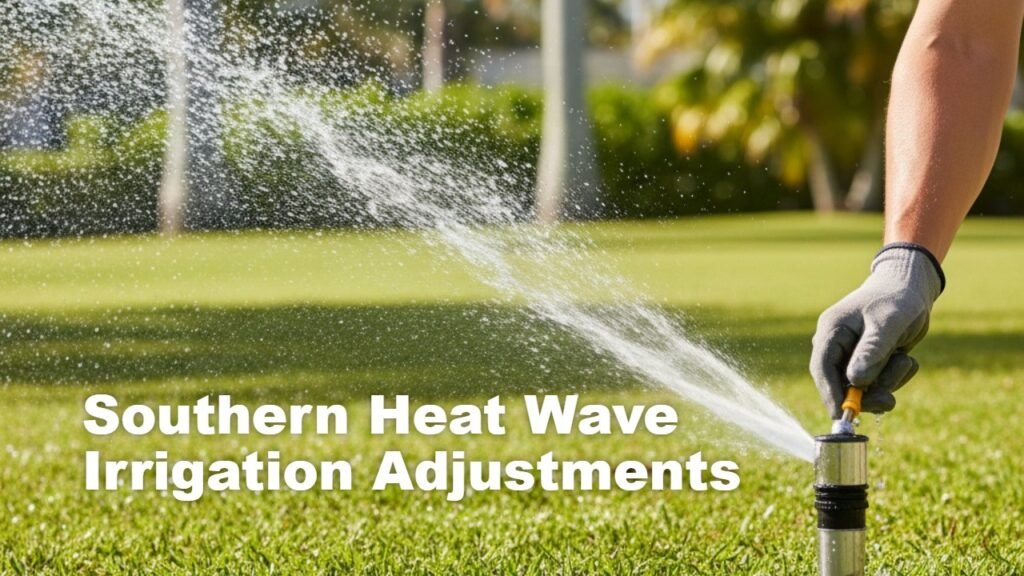
Southern Heat Wave Irrigation Adjustments

Southern heat wave irrigation adjustments are essential for protecting lawns and landscapes during extreme summer temperatures. Across states like Texas, Florida, Georgia, Alabama, and the Carolinas, prolonged heat waves now arrive more frequently and last longer. High humidity, intense sunlight, and extended dry periods place significant stress on turf and ornamental plants.

Standard irrigation schedules rarely perform well during extreme heat. Water demand rises quickly, yet overwatering can cause shallow roots and fungal outbreaks. Property owners must strike a careful balance.

This guide explains how to implement effective southern heat wave irrigation adjustments that preserve plant health, reduce water waste, and prevent costly landscape damage.

Current image: Southern Heat Wave Irrigation Adjustments

Understanding Southern Heat Waves

Southern climates combine high temperatures with strong solar intensity. Heat waves often push daytime temperatures above 95°F for consecutive days.

Evapotranspiration rates spike during these periods. Turfgrass loses moisture rapidly, especially in full sun areas. Soil surface temperatures may exceed air temperature by 20 degrees or more.

Southern heat wave irrigation adjustments must account for both air temperature and soil heat stress.


Why Standard Irrigation Schedules Fail

Fixed watering routines ignore daily temperature swings and humidity shifts. During heat waves, lawns may require deeper watering but not necessarily more frequent cycles.

Overwatering in humid regions can lead to fungal diseases such as brown patch and pythium blight. Meanwhile, shallow watering weakens root systems.

Effective southern heat wave irrigation adjustments prioritize root health over surface appearance.


Signs of Heat Stress in Lawns

Recognizing early stress allows timely irrigation changes.

Common Turf Stress Indicators

  • Wilting grass blades
  • Bluish-gray coloration
  • Footprints that remain visible
  • Thinning or patchy growth
  • Leaf rolling

Quick response prevents permanent turf damage.


Adjusting Irrigation During Heat Waves

Increase Watering Depth, Not Frequency

This YouTube video below from Tom Jacob explains the depth and frequency of irrigation for healthy plants. It shows how proper watering schedules support root growth and soil moisture balance. The video serves as a quick reference for efficient irrigation practices.

Deep watering encourages roots to grow deeper into cooler soil layers. Avoid daily shallow watering.

Water Early in the Morning

Irrigate between 4:00 AM and 7:00 AM. Morning watering reduces evaporation and limits fungal growth.

Avoid Midday or Evening Watering

Midday watering evaporates quickly. Evening watering prolongs leaf wetness and encourages disease.

Southern heat wave irrigation adjustments depend heavily on precise timing.


Soil Considerations During Extreme Heat

Soil type influences how water should be applied.

Sandy Soil

Sandy soils drain quickly. They may require slightly more frequent but still deep irrigation cycles.

Clay Soil

Clay soils retain moisture longer. Overwatering clay leads to compaction and runoff.

Improving Soil Structure

Add compost to increase water retention. Aerate compacted soil to improve infiltration.

Healthy soil supports effective southern heat wave irrigation adjustments.

This YouTube video below from Agresol explains four ways to improve soil structure using regenerative agriculture methods. It highlights compost, cover crops, and reduced tillage for healthier soil. The video serves as a quick reference for building strong, water-holding soil.


Warm-Season Grass Performance

Southern lawns typically consist of warm-season grasses that tolerate heat better than cool-season varieties.

Common Southern Turf Varieties

These grasses remain active in summer but still require proper irrigation management.


Irrigation Technology for Heat Waves

Modern tools simplify adjustments.

Smart Irrigation Controllers

Weather-based controllers adjust schedules automatically based on temperature and rainfall.

This YouTube video below from Modern Gardener explains how smart irrigation controllers save water and reduce costs. It shows how weather-based scheduling improves efficiency and prevents overwatering. The video serves as a quick reference for upgrading to smarter irrigation technology.

Soil Moisture Sensors

Sensors prevent overwatering by activating irrigation only when needed.

High-Efficiency Nozzles

Upgrading spray heads improves water distribution and reduces waste.

Technology strengthens southern heat wave irrigation adjustments.


Heat Wave Irrigation Comparison Table

ConditionStandard ScheduleHeat Wave Adjustment
Temperature under 90°FModerate wateringMaintain schedule
Temperature above 95°FStandard depthIncrease depth
High humidityNormal frequencyAvoid evening watering
Sandy soilRegular intervalsMonitor moisture closely
Clay soilStandard wateringPrevent runoff

This table highlights practical irrigation changes.


Managing Water Restrictions During Heat Waves

Many Southern municipalities enforce watering limits during drought or heat waves.

Follow Assigned Watering Days

Adjust irrigation depth within allowed days.

Use Efficient Systems

Drip irrigation and smart controllers help maximize limited watering windows.

Prioritize Critical Zones

Water high-visibility or high-value landscape areas first.

Southern heat wave irrigation adjustments must align with local regulations.


Protecting Trees and Shrubs

Trees and shrubs also require attention.

Deep Root Watering

Use slow-release drip systems to reach deeper roots.

Mulching Around Trees

Apply mulch to conserve moisture and regulate soil temperature.

Avoid Overhead Spraying

Overhead watering wastes water and increases disease risk.

Balanced watering protects long-term landscape investments.


Budget Considerations

Heat waves increase water use and utility bills.

Monitor Consumption Weekly

Track water usage during peak heat.

Identify Leaks Early

Leaks waste water quickly during high-demand periods.

Invest in Efficiency

Smart irrigation often reduces overall water consumption despite increased depth.

Budget planning supports sustainable southern heat wave irrigation adjustments.


Common Mistakes During Heat Waves

Avoid these frequent errors:

  • Watering daily with shallow cycles
  • Ignoring soil moisture levels
  • Watering during peak sun
  • Overcompensating with excessive irrigation
  • Skipping system inspections

Correcting these mistakes protects turf health.


Practical Action Plan

Follow these steps during a heat wave:

  • Adjust irrigation depth
  • Water early morning only
  • Monitor soil moisture
  • Inspect sprinkler coverage
  • Add mulch to plant beds
  • Reduce foot traffic on stressed lawns
  • Repair leaks immediately

Consistent monitoring improves outcomes.


Environmental Impact

Efficient irrigation reduces strain on municipal water systems during peak demand. Lower runoff protects waterways from nutrient pollution.

Responsible southern heat wave irrigation adjustments benefit both landscapes and communities.


FAQs About Southern Heat Wave Irrigation Adjustments

How often should lawns be watered during a heat wave?

Water deeply two to three times per week, depending on soil type and rainfall.

Is daily watering recommended?

No. Daily shallow watering weakens root systems and increases disease risk.

Can heat waves kill warm-season grass?

Prolonged drought and improper watering can cause damage, but proper irrigation reduces risk.

Should irrigation increase during high humidity?

Increase watering depth carefully, but avoid evening irrigation to prevent fungal growth.

Are smart controllers helpful during heat waves?

Yes. They adjust schedules automatically based on weather data.


Conclusion

Southern heat wave irrigation adjustments are essential for maintaining healthy landscapes during extreme summer temperatures. Deep watering, early morning irrigation, soil improvement, and efficient technology form the foundation of a resilient strategy.

Homeowners and property managers who adapt irrigation practices during heat waves protect turf health, reduce water waste, and manage rising utility costs.

Review your current irrigation schedule and implement targeted southern heat wave irrigation adjustments to keep your landscape strong through even the most intense Southern summers.

Last updated: April 7, 2026 By Sprinklesplash Team
Share:
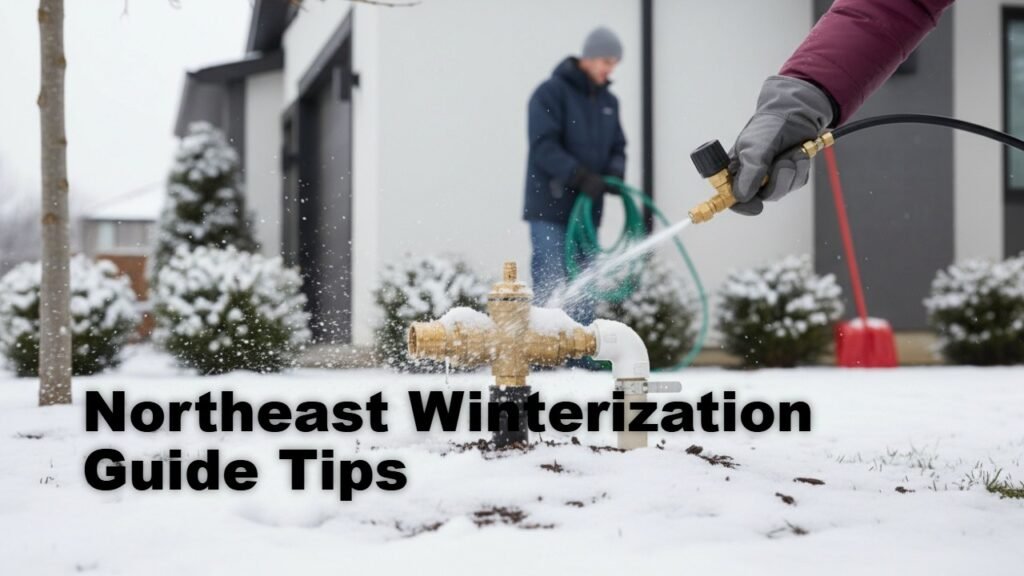
Northeast Winterization Guide Tips

Northeast Winterization Guide planning is essential for homeowners and property managers preparing for freezing temperatures, snow accumulation, and prolonged cold spells. States across the Northeast experience deep frost penetration, fluctuating winter storms, and freeze-thaw cycles that damage irrigation systems, plumbing lines, and outdoor infrastructure.

Without proper preparation, frozen pipes can burst, sprinkler systems can crack, and costly repairs can follow in spring. A structured Northeast Winterization Guide helps protect investments and ensures smooth seasonal transitions.

This comprehensive guide outlines proven winterization steps, climate considerations, and actionable strategies tailored to Northeastern properties.

Current image: Northeast Winterization Guide Tips

Understanding Northeast Winter Conditions

The Northeast includes states such as New York, Massachusetts, Pennsylvania, Connecticut, Vermont, New Hampshire, Maine, and New Jersey. Winters bring subfreezing temperatures, snow cover, ice storms, and deep frost lines.

Frost depth in many areas can reach 36 to 60 inches or more, depending on location and soil type. Freeze-thaw cycles create expansion and contraction that stress underground systems.

An effective Northeast Winterization Guide must account for:

  • Extended freezing periods
  • Deep ground frost
  • Heavy snow loads
  • Ice accumulation
  • Winter storms with rapid temperature drops

Why Winterization Is Critical

Failure to follow a Northeast Winterization Guide can result in significant damage.

Irrigation System Damage

Water trapped inside sprinkler pipes expands when frozen. Expansion causes cracks in PVC lines and fittings.

Burst Outdoor Plumbing

Hose bibs and exposed valves freeze quickly. Burst pipes often remain undetected until spring thaw.

Foundation and Drainage Issues

Improper drainage allows water to collect near foundations. Frozen soil expands and creates structural stress.

Preventive action avoids emergency repairs.


Seasonal Timeline for Winterization

Proper timing ensures systems are protected before the first hard freeze.

MonthAction ItemPriority Level
SeptemberInspect irrigation systemHigh
OctoberSchedule blowout serviceCritical
NovemberInsulate exposed plumbingCritical
DecemberMonitor freeze alertsModerate
January–FebruaryCheck insulationModerate
MarchPrepare for spring startupHigh

Following this timeline supports a successful Northeast Winterization Guide.


Irrigation System Winterization Steps

This YouTube video below from Ewing Outdoor Supply explains how to winterize a sprinkler system using the blow-out method. It shows how to remove water from lines to prevent freeze damage. The video serves as a quick reference for seasonal irrigation maintenance.

Shut Off Water Supply

Locate the irrigation main shutoff valve. Turn off water flow before freezing temperatures arrive.

Drain Backflow Preventer

Backflow preventers often sit above ground. Drain them fully to prevent freeze damage.

Perform Compressed Air Blowout

Compressed air removes residual water from pipes. This step is essential in any Northeast Winterization Guide.

Use regulated air pressure to avoid damaging components.

Insulate Valve Boxes

Install insulated covers over valve boxes and exposed components.


Protecting Outdoor Plumbing

Outdoor plumbing requires careful preparation.

Disconnect Garden Hoses

Remove hoses from spigots. Leaving hoses attached traps water inside.

Install Frost-Free Hose Bibs

Frost-free spigots reduce freezing risk. Upgrade older fixtures where possible.

Wrap Exposed Pipes

Use foam insulation or heat tape for exposed pipes in garages or crawl spaces.

These measures prevent burst plumbing lines.

This YouTube video below from Houston Life explains how to wrap pipes before freezing weather. It shows simple materials and backup options when insulation sells out. The video serves as a quick reference for preventing freeze damage.


Drainage and Landscape Preparation

Winter conditions affect more than irrigation systems.

Improve Surface Drainage

Ensure gutters and downspouts direct water away from foundations.

Clear Debris from Drains

Remove leaves and debris from drainage systems before snow accumulation.

Grade Soil Properly

Correct grading prevents standing water near buildings.

Drainage maintenance strengthens a Northeast Winterization Guide.


Snow and Ice Management

Snow load and ice buildup pose structural risks.

Roof Snow Removal

Heavy snow adds weight to roofs. Safe removal reduces structural stress.

De-Icing Walkways

Use pet-safe ice melt products to protect hardscape surfaces and nearby vegetation.

Monitor Ice Dams

Ice dams form when roof heat melts snow unevenly. Proper attic insulation reduces risk.

Snow management complements winterization efforts.


Freeze Line Awareness

Understanding local frost depth supports proper preparation.

Regional Freeze Depth

Frost lines vary by state. Northern regions experience deeper freeze penetration.

Protect Shallow Utilities

Ensure any shallow pipes or drainage systems sit below local frost depth or are insulated.

Knowledge of freeze depth enhances a Northeast Winterization Guide.


Soil and Plant Protection

This YouTube video below from LEAF Linking Environment And Farming explains soil and substrate management for plant health. It highlights how soil care supports strong growth and protection from stress. The video serves as a quick reference for better plant and soil management.

Winter affects soil health and plant roots.

Apply Mulch

A two-to-three-inch mulch layer insulates plant roots.

Protect Young Trees

Use tree wraps to prevent bark cracking from sunscald.

Water Before Freeze

Hydrated soil holds warmth better than dry soil. Water plants before the ground freezes.

Plant protection supports long-term landscape health.


Equipment Storage and Maintenance

Prepare lawn and irrigation equipment for winter.

Drain Fuel and Fluids

Drain fuel from lawn equipment or use stabilizer additives.

Store Indoors

Store tools and irrigation components in dry, protected spaces.

Inspect in Spring

Plan for spring inspection and startup before reactivating systems.

Equipment care extends lifespan.


Budget Planning for Winterization

Preventive maintenance reduces repair costs.

Schedule Professional Services

Budget for irrigation blowouts and inspections.

Allocate for Emergency Repairs

Unexpected cold snaps may require quick fixes.

Invest in Insulation

Insulation costs far less than pipe replacement.

Financial planning supports a complete Northeast Winterization Guide.


Technology for Winter Monitoring

Modern tools improve preparation.

Smart Irrigation Controllers

Controllers can shut down systems automatically when temperatures drop.

Weather Alerts

Local weather alerts notify property owners of freeze warnings.

Remote Monitoring Systems

Remote systems allow off-site property managers to track system status.

Technology improves response time.


Common Winterization Mistakes

Avoid these errors:

  • Waiting until after first freeze
  • Skipping compressed air blowout
  • Ignoring exposed backflow preventers
  • Leaving hoses attached
  • Failing to inspect drainage systems

Correcting these mistakes prevents costly repairs.


Practical Action Checklist

Follow this Northeast Winterization Guide checklist:

  • Shut off irrigation supply
  • Perform blowout procedure
  • Insulate exposed pipes
  • Remove garden hoses
  • Clear drainage systems
  • Apply mulch to plant beds
  • Monitor freeze alerts
  • Inspect snow load regularly

Consistent preparation ensures reliable protection.


Environmental Considerations

Proper winterization protects water systems and prevents leaks that waste resources. Responsible preparation reduces emergency water loss and supports sustainability.


FAQs About Northeast Winterization Guide

When should irrigation systems be winterized?

Winterize before the first hard freeze, typically in October or early November.

Is compressed air blowout necessary?

Yes. Blowouts remove residual water and prevent pipe cracking.

How deep is the frost line in the Northeast?

Frost depth varies but often ranges from 36 to 60 inches.

Can I winterize my system myself?

Experienced homeowners may handle basic steps, but professional blowouts are recommended.

What happens if I skip winterization?

Frozen water can crack pipes, valves, and fittings, leading to costly repairs.


Conclusion

Northeast Winterization Guide preparation remains critical for protecting irrigation systems, plumbing, and landscapes from harsh winter conditions. Freezing temperatures, snow accumulation, and deep frost lines demand proactive planning and careful maintenance.

Homeowners and property managers who follow structured winterization steps prevent expensive damage and ensure smooth spring startups.

Review your systems early, schedule professional services when needed, and implement this Northeast Winterization Guide to safeguard your property through every Northeast winter season.

Last updated: April 7, 2026 By Sprinklesplash Team
Share:
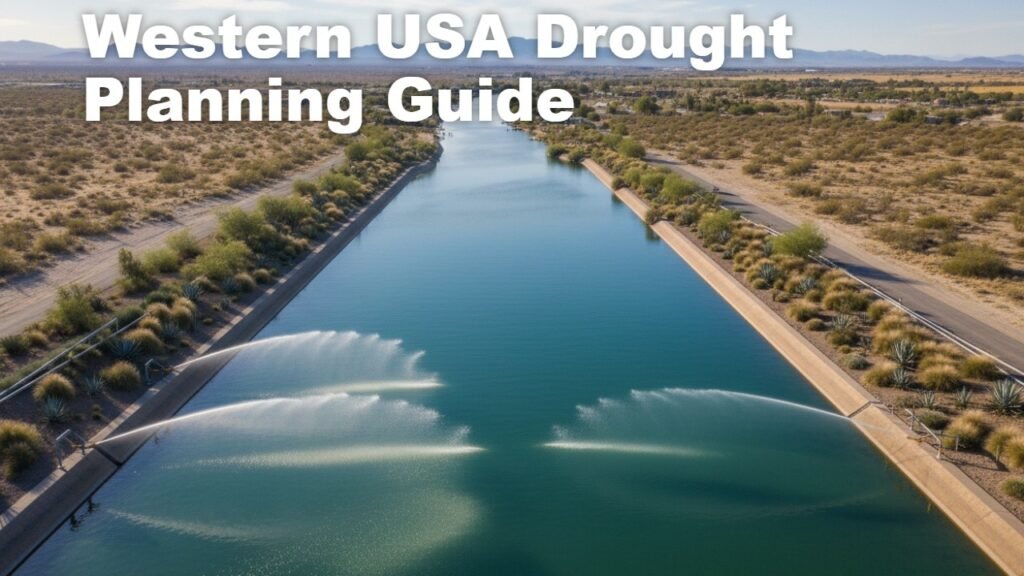
Western USA Drought Planning Guide

Western USA drought planning guide strategies have become essential for homeowners and property managers across arid and semi-arid states. Persistent drought cycles, shrinking reservoirs, and strict water regulations now shape how landscapes must be managed. Traditional watering schedules no longer work in regions facing long dry seasons and water restrictions.

Property owners must plan for limited water availability, higher utility costs, and changing climate patterns. A structured approach helps maintain landscape health while meeting conservation goals.

This Western USA drought planning guide explains how to manage irrigation, select plants, improve soil, and build resilient landscapes that thrive even during extended drought periods.

Current image: Western USA Drought Planning Guide

Understanding Drought Conditions in the Western USA

The western United States includes regions such as California, Arizona, Nevada, Colorado, Utah, and parts of New Mexico and Oregon. These areas experience limited rainfall and high evaporation rates.

Many regions rely on snowpack and reservoirs for water supply. When snowpack declines, water restrictions increase.

A Western USA drought planning guide must account for:

Understanding these conditions allows property owners to prepare proactively.


Key Drought Challenges for Landscapes

Water Restrictions

Municipalities often limit irrigation days and hours. Some regions enforce tiered pricing or drought surcharges.

Soil Moisture Loss

Hot, dry air accelerates evaporation. Soil dries quickly, especially in sandy or compacted areas.

Turf Stress

Cool-season grasses struggle under drought conditions. Brown lawns often result from insufficient moisture.

Rising Water Costs

Scarcity increases water prices. Efficient irrigation becomes a financial necessity.

These factors shape a comprehensive Western USA drought planning guide.


Drought-Resilient Landscape Design

Landscape design strongly influences water use.

Reduce High-Water Turf Areas

Large lawns require significant irrigation. Replacing portions with drought-tolerant plants reduces demand.

Use Native and Xeric Plants

This YouTube video below from nmsuaces explains how to choose plants for a xeriscape garden. It highlights drought-tolerant species and smart plant placement for water savings. The video serves as a quick reference for low-water landscape planning.

Native plants adapt to local climate conditions. Xeriscaping focuses on low-water species.

Examples include:

  • Ornamental grasses
  • Desert shrubs
  • Succulents
  • Groundcovers

Group Plants by Water Needs

Hydrozoning places plants with similar water requirements together. Efficient zoning prevents overwatering.

Design adjustments form the foundation of drought planning.


Soil Improvement for Water Retention

Healthy soil holds moisture longer.

Add Organic Matter

Compost improves soil structure and retention. Organic matter increases infiltration and reduces runoff.

Apply Mulch

Mulch reduces evaporation and stabilizes soil temperature. A two-to-three-inch layer helps conserve water.

Aerate Compacted Soil

Aeration improves root oxygen and water penetration.

Soil improvement supports long-term drought resilience.


Efficient Irrigation Techniques

This YouTube video below from Bayer Global explains how drip irrigation systems support effective plant watering. It highlights slow, targeted watering that reduces waste and improves root health. The video serves as a quick reference for efficient irrigation practices.

An effective Western USA drought planning guide prioritizes efficiency.

Drip Irrigation Systems

Drip irrigation delivers water directly to plant roots. This method minimizes evaporation and runoff.

Smart Irrigation Controllers

Weather-based controllers adjust watering based on local conditions. They prevent unnecessary irrigation during cool periods.

Soil Moisture Sensors

Sensors ensure watering occurs only when soil moisture drops below target levels.

Pressure Regulation

Correct pressure prevents misting and overspray. Proper pressure improves distribution uniformity.

Efficient systems reduce water use while maintaining plant health.


Seasonal Drought Planning

Water demand varies throughout the year.

Spring Planning

Spring rainfall may reduce irrigation needs. Adjust schedules based on rainfall totals.

Summer Planning

Summer represents peak water demand. Increase watering depth rather than frequency.

Fall Planning

Gradually reduce watering as temperatures decline.

Winter Planning

Many western regions require minimal irrigation in winter. Monitor for dry periods.

Seasonal adjustments strengthen a Western USA drought planning guide.


Water Budgeting and Allocation

Water budgeting helps control usage.

Calculate Weekly Needs

Most landscapes require about one inch of water weekly during peak season. Include rainfall in calculations.

Track Usage

Monitor monthly water bills and irrigation output. Identify areas of excess consumption.

Set Reduction Goals

Aim to reduce water use by 10–20 percent through efficiency upgrades.

Budgeting supports long-term conservation.


Regional Drought Comparison Table

RegionAverage RainfallDrought RiskPlanning Priority
Southern CaliforniaLowHighXeriscaping
ArizonaVery lowExtremeDrip irrigation
NevadaVery lowExtremeWater budgeting
ColoradoModerateHighSeasonal adjustments
UtahLowHighSoil improvement
Pacific NorthwestModerateModerateSummer planning

This table helps guide drought planning across regions.


Water Conservation Strategies

Adopting conservation habits improves resilience.

  • Install high-efficiency sprinkler heads
  • Water early in the morning
  • Fix leaks immediately
  • Replace turf with native plants
  • Use rainwater harvesting where allowed
  • Adjust schedules monthly

Small changes produce measurable savings.


Technology for Drought Monitoring

Modern tools improve planning accuracy.

Weather Stations

Local weather stations provide rainfall and temperature data.

Smart Meters

Smart meters track water use in real time. Property managers can identify unusual spikes.

Remote Irrigation Management

Remote systems allow schedule adjustments from mobile devices.

Technology supports proactive drought management.


Financial Benefits of Drought Planning

Efficient water use reduces operating costs. Lower consumption leads to smaller utility bills.

Avoiding landscape replacement costs also saves money. Healthy plants withstand drought better when managed properly.

A structured Western USA drought planning guide protects both budgets and landscapes.


Maintenance Best Practices

Routine maintenance ensures system efficiency.

Monthly Checks

Inspect sprinkler heads, valves, and controllers. Repair leaks promptly.

Seasonal Audits

Professional audits identify inefficiencies and coverage gaps.

Winter Preparation

Drain systems where freezing occurs. Protect exposed components.

Maintenance extends system lifespan.


Practical Action Plan

This YouTube video below from joegardenerTV explains five key steps for building a drought-tolerant landscape. It covers plant choice, soil prep, mulch, and efficient watering methods. The video serves as a quick reference for creating a low-water outdoor space.

Follow these steps to improve drought readiness:

  • Evaluate current irrigation system
  • Install smart controllers
  • Add mulch to plant beds
  • Replace high-water plants
  • Monitor water bills
  • Adjust schedules seasonally
  • Improve soil health

Consistent action strengthens drought resilience.


Environmental Impact

Conserving water protects regional reservoirs and ecosystems. Reduced runoff lowers pollution in rivers and lakes.

Responsible irrigation supports long-term sustainability.


FAQs About Western USA Drought Planning Guide

How often should landscapes be watered during drought?

Water deeply but less frequently. Monitor soil moisture to avoid overwatering.

Is drip irrigation better than sprinklers?

Drip irrigation reduces evaporation and delivers water directly to roots.

Can native plants survive drought without irrigation?

Many native plants tolerate drought but still benefit from occasional deep watering.

Are smart controllers worth the investment?

Yes. They reduce water use and improve scheduling accuracy.

How can property managers reduce water costs?

Upgrade systems, monitor usage, and implement drought-tolerant landscaping.


Conclusion

Western USA drought planning guide strategies remain essential for maintaining landscapes in water-limited environments. Rising temperatures, stricter regulations, and recurring drought cycles demand efficient irrigation and thoughtful design.

Homeowners and property managers who adopt drought-resilient practices reduce water use, protect plant health, and control costs.

Review your irrigation system, upgrade inefficient components, and implement drought-focused strategies to ensure your landscape remains strong even during the driest seasons.

Last updated: April 7, 2026 By Sprinklesplash Team
Share:
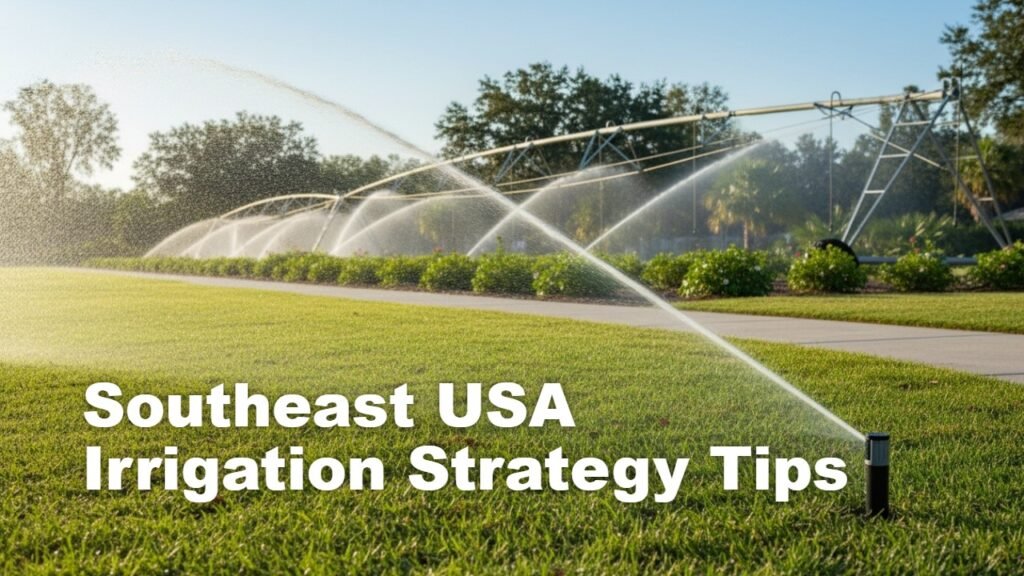
Southeast USA Irrigation Strategy Tips

Southeast USA irrigation strategy requires a climate-specific approach that accounts for high humidity, heavy rainfall, sandy soils, and extended growing seasons. Homeowners and property managers across states like Florida, Georgia, Alabama, and the Carolinas face unique watering challenges.

Unlike arid regions, the Southeast receives significant annual rainfall. However, precipitation often arrives in intense bursts followed by dry stretches. That pattern makes irrigation timing more important than total volume.

An effective Southeast USA irrigation strategy balances moisture control, disease prevention, drainage management, and water efficiency.

Current image: Southeast USA Irrigation Strategy Tips

Understanding the Southeast Climate Profile

This YouTube video below from Lauren Weinkein explains the climate of the Southeast region. It highlights temperature patterns, rainfall, and seasonal weather trends. The video serves as a quick reference for understanding regional climate conditions.

The Southeast features a humid subtropical climate. Summers bring high temperatures, elevated humidity, and frequent thunderstorms. Winters remain mild with occasional cold snaps.

Annual rainfall often exceeds 45 inches in many areas. Despite this, drought conditions still occur due to uneven distribution.

A well-designed Southeast USA irrigation strategy must account for both excess moisture and periodic water shortages.


Key Climate Challenges for Irrigation

High Humidity

Humidity reduces evaporation but increases fungal risk. Lawns may appear moist even when root zones lack adequate hydration.

Intense Rainfall Events

Heavy storms cause runoff and erosion. Water may not penetrate deeply into compacted soil.

Sandy Soils

Many coastal and inland Southeast areas contain sandy soil. Sandy soil drains quickly and holds limited moisture.

Extended Growing Season

The growing season often lasts from March through November. Longer active periods increase annual irrigation demand.

Each factor shapes a sustainable Southeast USA irrigation strategy.


Seasonal Irrigation Planning

Spring Irrigation Strategy

Spring typically brings regular rainfall. Irrigation should supplement only when rainfall falls below one inch per week.

Monitor soil moisture before activating systems. Avoid unnecessary watering during wet periods.

Summer Irrigation Strategy

Summer heat and humidity increase evapotranspiration. Deep watering two to three times per week often works better than daily shallow cycles.

Early morning watering reduces evaporation and fungal risk.

Fall Irrigation Strategy

Temperatures decline gradually in fall. Reduce irrigation frequency while maintaining adequate moisture for root health.

Winter Irrigation Strategy

Most Southeast lawns remain semi-active in winter. Irrigate only during prolonged dry spells.

A flexible Southeast USA irrigation strategy adapts monthly rather than remaining fixed.


Turfgrass Selection for the Southeast

This YouTube video below from OklahomaGardening explains the main types of turfgrasses for residential lawns. It highlights differences in growth, climate needs, and maintenance levels. The video serves as a quick reference for choosing the right grass type.

Grass selection influences irrigation efficiency.

Common Warm-Season Grasses

  • Bermuda grass
  • Zoysia grass
  • St. Augustine grass
  • Centipede grass

Warm-season grasses thrive in heat and humidity. They require less water than cool-season varieties during peak summer.

Selecting the right turf strengthens any Southeast USA irrigation strategy.


Irrigation Scheduling Best Practices

Water Deeply and Infrequently

Deep watering promotes strong root systems. Shallow watering increases disease susceptibility.

Avoid Evening Irrigation

Night watering prolongs leaf wetness. Extended moisture increases fungal outbreaks.

Monitor Weekly Water Totals

Combine rainfall and irrigation. Most lawns need about one inch per week.

Adjust Based on Soil Type

Sandy soils may require slightly more frequent watering than clay soils.

These practices refine a reliable Southeast USA irrigation strategy.


Drainage and Runoff Management

Heavy rainfall demands proper drainage systems.

Improve Soil Structure

Add organic matter to sandy soil. Organic material increases water retention.

Install French Drains

French drains redirect excess water away from foundations and lawn surfaces.

Grade Landscapes Properly

Ensure slopes direct water away from buildings.

Drainage supports both plant health and structural protection.


Technology for Efficient Irrigation

Modern technology enhances irrigation accuracy.

Smart Irrigation Controllers

Weather-based controllers adjust watering automatically based on rainfall and temperature.

Rain Sensors

Rain sensors pause irrigation during storms.

Soil Moisture Sensors

Sensors measure real-time moisture at root depth.

Technology reduces overwatering and supports an adaptive Southeast USA irrigation strategy.


Water Conservation in Humid Regions

Even humid regions must conserve water.

Reduce Turf Coverage

Replace high-maintenance turf with native shrubs and groundcovers.

Use Drip Irrigation

Drip systems deliver water directly to roots, minimizing evaporation.

Apply Mulch

Mulch reduces surface evaporation and suppresses weeds.

Conservation reduces water bills and supports sustainability.


Southeast Rainfall and Irrigation Comparison Table

FactorSoutheast RegionIrrigation Adjustment
Annual Rainfall40–60+ inchesSupplement during dry spells
Soil TypeSandy dominantImprove retention
HumidityHighReduce evening watering
Growing SeasonLongAdjust monthly
Storm IntensityHighImprove drainage

This table summarizes how climate influences irrigation planning.


Disease Prevention Through Proper Irrigation

Humidity increases fungal risk. A proper Southeast USA irrigation strategy prioritizes disease prevention.

Common Turf Diseases

Frequent moisture may trigger:

  • Brown patch
  • Dollar spot
  • Pythium blight
  • Large patch

Morning irrigation reduces leaf wetness duration.


Budget Planning and Water Costs

Water rates vary across Southeast municipalities. Efficient irrigation reduces operating costs.

Monitor Utility Bills

Track monthly consumption trends. Identify unusual spikes.

Invest in Smart Technology

Efficient controllers often reduce usage by 15–30%.

Plan for Seasonal Peaks

Summer months typically increase water demand.

Budget planning complements a strong Southeast USA irrigation strategy.


Practical Action Plan

Follow these steps to improve irrigation efficiency:

  • Test soil type
  • Install rain sensors
  • Use smart controllers
  • Water early in the morning
  • Monitor weekly rainfall
  • Aerate compacted soil
  • Improve drainage systems
  • Inspect sprinkler heads monthly

Consistent oversight improves results.


Common Mistakes to Avoid

Avoid these frequent errors:

  • Watering on fixed schedules year-round
  • Ignoring rainfall totals
  • Overwatering during humid weeks
  • Skipping drainage maintenance
  • Neglecting system inspections

Correcting these mistakes enhances landscape health.


FAQs About Southeast USA Irrigation Strategy

How often should lawns be watered in the Southeast?

Most lawns require about one inch of water weekly, including rainfall. Adjust during heat waves.

Is irrigation necessary during rainy seasons?

Monitor soil moisture before watering. Heavy storms may eliminate the need for irrigation.

Why is morning watering recommended?

Morning watering reduces evaporation and minimizes fungal growth.

Do sandy soils need more frequent watering?

Yes. Sandy soils drain quickly and may require slightly more frequent cycles.

Are smart controllers effective in humid climates?

Yes. They adjust schedules automatically based on local weather data.


Conclusion

Southeast USA irrigation strategy must balance abundant rainfall, high humidity, sandy soils, and extended growing seasons. Fixed watering routines rarely work in this climate.

Homeowners and property managers who adapt irrigation schedules monthly, improve drainage, and invest in smart technology maintain healthier landscapes and lower water bills.

Evaluate your current irrigation system today and implement a climate-specific Southeast USA irrigation strategy that ensures long-term efficiency and resilient landscape performance.

Last updated: April 7, 2026 By Sprinklesplash Team
Share:
Best Irrigation Practices for Midwest Homes

Best irrigation practices for Midwest homes must reflect the region’s unpredictable weather, seasonal rainfall swings, and wide temperature shifts. Midwest landscapes experience humid summers, freezing winters, and variable spring rainfall. Those conditions demand a flexible irrigation strategy rather than a fixed watering routine.

Homeowners and property managers often rely on generic schedules that ignore soil type, rainfall totals, and plant needs. That approach leads to water waste, turf stress, and higher utility costs.

This guide explains how to apply the best irrigation practices for Midwest homes to maintain healthy landscapes while improving efficiency and reducing expenses.

Current image: Best Irrigation Practices for Midwest Homes

Understanding Midwest Climate Conditions

This YouTube video below from KARE 11 explains how climate change already affects the Midwest. It highlights shifts in rainfall, temperature, and extreme weather patterns. The video serves as a quick reference for understanding regional climate impacts on water and land.

The Midwest region includes states such as Illinois, Ohio, Michigan, Minnesota, Wisconsin, and Missouri. These areas experience four distinct seasons and significant weather variability.

Rainfall is generally moderate and distributed throughout the year. However, extended dry spells can occur during summer. Heavy storms may also produce runoff rather than deep soil moisture.

Best irrigation practices for Midwest homes must account for both drought and excessive rainfall.


Soil Types Across the Midwest

Soil composition varies widely across the region. Understanding soil behavior helps determine proper irrigation schedules.

Clay Soils

Clay soils dominate many Midwest areas. These soils retain moisture longer but drain slowly. Overwatering can lead to compaction and fungal issues.

Loam Soils

Loam soils provide balanced drainage and retention. They support efficient irrigation and healthy root development.

Sandy Soils

Some areas contain sandy soils that drain quickly. These soils require deeper watering to maintain moisture.

Soil testing helps determine the correct irrigation approach.


Seasonal Irrigation Needs

Best irrigation practices for Midwest homes change throughout the year.

Spring

Spring rainfall often reduces irrigation needs. Soil remains moist from snowmelt and rain. Monitor moisture levels before watering.

Summer

Summer heat increases evapotranspiration. Lawns may require one to one-and-a-half inches of water per week, including rainfall.

Fall

Fall temperatures drop and growth slows. Gradually reduce watering frequency.

Winter

Most Midwest irrigation systems shut down during winter due to freezing temperatures. Winterization protects pipes and valves.


Lawn Watering Guidelines

This YouTube video below from Ryan Knorr Lawn Care explains how to water a cool-season lawn properly during summer. It covers timing, frequency, and depth to protect turf from heat stress. The video serves as a quick reference for healthier lawn watering practices.

Proper watering methods improve turf health and reduce waste.

Deep and Infrequent Watering

Deep watering encourages strong root growth. Shallow watering leads to weak roots and drought stress.

Early Morning Irrigation

Water early in the morning to reduce evaporation. Morning watering also lowers disease risk.

Avoid Midday Watering

Midday watering results in high evaporation loss. Water applied during peak heat rarely reaches roots effectively.

Monitor Weekly Totals

Track rainfall and irrigation together. Lawns generally need about one inch of water per week.

Applying these best irrigation practices for Midwest homes improves lawn resilience.


Irrigation System Design

Efficient system design ensures uniform coverage.

Proper Sprinkler Spacing

Sprinkler heads should overlap for consistent coverage. Uneven spacing causes dry spots and oversaturation.

Pressure Regulation

High pressure creates misting and runoff. Low pressure reduces coverage. Pressure regulation maintains efficiency.

Zoning by Plant Type

Separate turf, shrubs, and flower beds into zones. Each zone receives appropriate watering.

Good system design supports best irrigation practices for Midwest homes.


Smart Irrigation Technology

Modern technology improves irrigation accuracy.

Smart Controllers

Smart controllers adjust watering based on weather data. They respond to rainfall, temperature, and humidity changes.

Rain Sensors

Rain sensors stop irrigation during storms. These devices prevent unnecessary watering.

Soil Moisture Sensors

Soil sensors measure moisture at root depth. Irrigation activates only when needed.

Technology simplifies the application of best irrigation practices for Midwest homes.


Water Conservation Strategies

Efficient irrigation reduces costs and conserves resources.

Use Native Plants

Native plants adapt to local climate conditions. They require less supplemental watering.

Reduce Turf Areas

Replacing turf with plant beds lowers irrigation demand.

Apply Mulch

Mulch reduces evaporation and stabilizes soil moisture.

Fix Leaks Promptly

Leaks waste significant amounts of water. Regular inspections prevent loss.

These strategies support sustainable landscape management.


Managing Heavy Rainfall and Runoff

Midwest storms can produce intense rainfall. Runoff may prevent water from reaching roots.

Improve Soil Infiltration

Aerate compacted soil to improve water absorption. Add organic matter to enhance retention.

Install Drainage Systems

French drains and proper grading prevent standing water.

Adjust Irrigation After Storms

Pause irrigation after heavy rainfall. Check soil moisture before resuming.

Managing runoff remains essential for best irrigation practices for Midwest homes.


Winterization and Freeze Protection

This YouTube video below from Thermon explains winterization and freeze protection for systems and equipment. It shows how proper preparation prevents damage during cold weather. The video serves as a quick reference for seasonal protection and maintenance.

Freezing temperatures require seasonal system shutdown.

Blow Out Irrigation Lines

Compressed air removes water from pipes. This prevents freezing and cracking.

Insulate Backflow Preventers

Insulated covers protect exposed components.

Shut Off Water Supply

Turn off irrigation supply valves before freezing weather arrives.

Proper winterization protects system longevity.


Maintenance Best Practices

Regular maintenance ensures reliable performance.

Monthly Inspections

Check sprinkler heads, valves, and controllers. Look for leaks or clogs.

Seasonal Adjustments

Update schedules each season. Adjust for rainfall and temperature changes.

Annual System Audit

Professional audits identify inefficiencies and coverage issues.

Consistent maintenance supports long-term efficiency.


Budget Planning for Irrigation

Water costs vary by municipality. Budget planning helps manage expenses.

Track Monthly Usage

Monitor water bills and usage trends. Identify spikes quickly.

Plan for Summer Peaks

Summer often brings the highest water demand. Budget accordingly.

Invest in Efficiency

Efficient systems reduce long-term costs. Smart technology often pays for itself.

Financial planning complements best irrigation practices for Midwest homes.


Common Irrigation Mistakes

Avoid these errors:

  • Watering on a fixed schedule year-round
  • Ignoring rainfall totals
  • Overwatering clay soils
  • Failing to adjust seasonal schedules
  • Neglecting maintenance

Correcting these mistakes improves landscape health.


Practical Action Steps

Follow these steps to improve irrigation:

  • Test soil type
  • Install smart controllers
  • Water early in the morning
  • Monitor weekly rainfall
  • Aerate compacted soil
  • Reduce turf coverage
  • Winterize systems properly

Consistent adjustments lead to better results.


Environmental Benefits

Efficient irrigation reduces strain on local water supplies. Lower runoff protects rivers and lakes.

Best irrigation practices for Midwest homes support sustainability and long-term resource management.


FAQs About Best Irrigation Practices for Midwest Homes

How often should Midwest lawns be watered?

Most lawns need about one inch of water weekly, including rainfall. Adjust based on temperature and soil type.

When is the best time to water?

Early morning remains the most effective time. It reduces evaporation and disease risk.

Do smart controllers save water?

Yes. Smart controllers adjust watering automatically based on weather data.

Should irrigation run after rain?

Pause irrigation after rainfall. Check soil moisture before restarting.

How do I winterize my system?

Shut off water supply and blow out lines with compressed air before freezing temperatures arrive.


Conclusion

Best irrigation practices for Midwest homes require a flexible approach that responds to changing weather, soil conditions, and seasonal demand. Proper scheduling, efficient equipment, and regular maintenance create healthier landscapes and lower water costs.

Homeowners and property managers who apply these strategies protect turf health, conserve water, and extend system lifespan. Review your current irrigation setup and implement improvements that keep your landscape thriving through every Midwest season.

Last updated: April 7, 2026 By Sprinklesplash Team
Share:
Rainfall Pattern Analysis by Region Guide

Rainfall pattern analysis by region plays a critical role in landscape planning, irrigation scheduling, and water conservation. Homeowners and property managers often rely on fixed watering routines, yet rainfall varies widely across the United States. Understanding regional precipitation trends allows properties to adjust irrigation, protect turf health, and avoid water waste.

Weather variability continues to increase. Some regions face longer dry periods, while others see intense storms and runoff. A clear rainfall pattern analysis by region helps property owners plan efficiently and avoid costly mistakes.

This guide explains regional precipitation trends, seasonal changes, and practical ways to adapt irrigation strategies to local rainfall conditions.

Current image: Rainfall Pattern Analysis by Region Guide

Why Rainfall Patterns Matter for Irrigation

This YouTube video below from Kootenay & Boundary Farm Advisors explains the balance between rainfall and irrigation in farm water management. It highlights practical strategies to improve water efficiency and crop performance. The video serves as a quick reference for smarter on-farm water planning.

Rainfall directly influences soil moisture levels. When precipitation is predictable, irrigation planning becomes easier. However, inconsistent rainfall requires flexible scheduling.

A rainfall pattern analysis by region helps determine when natural precipitation can replace irrigation. It also identifies when supplemental watering becomes necessary.

Proper planning prevents overwatering during wet periods and underwatering during drought conditions.


Key Factors That Shape Rainfall Patterns

Several factors determine regional precipitation trends.

Geographic Location

Coastal regions often receive more rainfall than inland areas. Mountain ranges influence storm movement and rainfall distribution.

Seasonal Weather Systems

Storm patterns vary by season. Some regions experience winter rain, while others receive summer thunderstorms.

Climate Variability

Climate shifts alter rainfall frequency and intensity. Longer dry spells followed by heavy storms have become more common.

Understanding these factors improves rainfall pattern analysis by region.


Regional Rainfall Patterns Across the United States

Different regions experience distinct precipitation cycles.

Western United States

The western region includes arid and semi-arid climates. Rainfall occurs mainly during winter months. Summers remain dry and hot.

Common characteristics:

  • Low annual rainfall
  • Long drought periods
  • Heavy reliance on irrigation
  • Snowpack-dependent water supply

Property managers must plan for extended dry seasons.

Pacific Northwest

This region receives consistent rainfall during fall, winter, and spring. Summers remain relatively dry.

Key considerations:

  • High winter precipitation
  • Mild summer watering needs
  • Strong seasonal contrast

Irrigation demand peaks during late summer.

Midwest

The Midwest experiences moderate rainfall throughout the year. Summer thunderstorms contribute significant precipitation.

Typical patterns include:

  • Even distribution across seasons
  • Occasional drought cycles
  • High humidity levels

Rainfall pattern analysis by region in the Midwest requires monitoring storm frequency.

Southern United States

Southern regions receive high annual rainfall. However, precipitation often comes in intense bursts.

Common traits:

  • Summer storms
  • High humidity
  • Runoff during heavy rain
  • Occasional drought periods

Managing runoff becomes a priority.

Northeastern United States

The Northeast sees steady rainfall across all seasons. Snow contributes to winter moisture reserves.

Important factors:

  • Even annual precipitation
  • Seasonal snowmelt
  • Moderate irrigation demand

Rainfall pattern analysis by region helps adjust watering during dry summers.


Seasonal Rainfall Distribution

This YouTube video below from SWAYAM Prabha IIT Madras Channels explains the types and distribution of rainfall. It outlines how rainfall patterns affect water availability and land use planning. The video serves as a quick reference for understanding basic hydrology concepts.

Seasonal changes affect how much irrigation landscapes require.

Spring

Spring rainfall often supports early plant growth. Soil moisture levels remain high in many regions.

Irrigation demand remains low unless rainfall is below average.

Summer

Summer brings increased evapotranspiration. Some regions receive thunderstorms, while others remain dry.

Water demand peaks during this season.

Fall

Fall rainfall helps replenish soil moisture. Cooler temperatures reduce irrigation needs.

Winter

Winter precipitation varies widely. Snow provides moisture reserves for spring in colder regions.


Regional Rainfall Comparison Table

RegionAnnual Rainfall RangePeak Rain SeasonIrrigation Impact
West5–20 inchesWinterHigh summer demand
Pacific Northwest30–60 inchesWinterLow summer demand
Midwest25–40 inchesSummerModerate demand
South40–60 inchesSummerVariable demand
Northeast30–50 inchesYear-roundModerate demand

This table supports rainfall pattern analysis by region and irrigation planning.


Soil Response to Rainfall

This YouTube video below from SUNUPTV explains how rainfall affects soil nutrients and plant health. It shows how rain can move nutrients through the soil and impact crop growth. The video serves as a quick reference for understanding post-rain soil conditions.

Soil type determines how rainfall affects irrigation needs.

Sandy Soil

Sandy soil drains quickly. Even after rainfall, irrigation may still be necessary.

Clay Soil

Clay retains moisture longer. Overwatering becomes a risk after heavy rain.

Loam Soil

Loam offers balanced drainage and retention. It responds well to moderate rainfall.

Understanding soil behavior strengthens rainfall pattern analysis by region.


Irrigation Adjustments Based on Rainfall

Adapting irrigation schedules to rainfall prevents waste and plant stress.

Reduce Watering After Rain

Skip irrigation cycles following significant rainfall. Check soil moisture before resuming.

Use Rain Sensors

Rain sensors automatically pause irrigation systems during storms.

Monitor Weekly Totals

Track weekly rainfall totals. Many lawns require about one inch of water per week, including rainfall.

Adjust Zones Separately

Different landscape zones may require different watering schedules.


Technology for Rainfall Monitoring

Modern tools improve rainfall pattern analysis by region.

Smart Irrigation Controllers

These controllers adjust schedules based on weather forecasts and rainfall data.

Rain Gauges

Rain gauges measure local precipitation accurately. Property owners can track weekly totals.

Weather Apps and Stations

Local weather stations provide rainfall forecasts and historical data.

Technology allows real-time adjustments to irrigation plans.


Drainage Considerations

Heavy rainfall can cause runoff and erosion. Proper drainage protects landscapes.

Improve Soil Infiltration

Aerate compacted soil. Add organic matter to improve water absorption.

Install Drainage Systems

French drains and grading help manage excess water.

Prevent Standing Water

Standing water damages turf and plant roots. Address low spots promptly.

Drainage planning supports effective rainfall pattern analysis by region.


Budgeting and Water Use Planning

Rainfall patterns influence water costs.

Reduce Utility Expenses

Using rainfall to supplement irrigation lowers water bills.

Plan for Drought Periods

Budget for increased watering during dry seasons.

Monitor Monthly Usage

Compare water usage to rainfall totals. Adjust irrigation accordingly.

Rainfall pattern analysis by region helps control costs.


Practical Tips for Homeowners and Property Managers

Follow these steps for better planning:

  • Install rain sensors
  • Track weekly rainfall
  • Adjust irrigation after storms
  • Improve soil health
  • Use drought-tolerant plants
  • Maintain drainage systems
  • Inspect irrigation equipment regularly

Consistent monitoring improves efficiency.


Common Mistakes to Avoid

Avoid these errors:

  • Ignoring rainfall data
  • Watering immediately after storms
  • Overwatering clay soil
  • Failing to adjust schedules seasonally
  • Not monitoring local forecasts

Correcting these mistakes protects landscapes.


Environmental Benefits

Efficient water use reduces strain on local water supplies. Lower runoff protects rivers and lakes from pollution.

Rainfall-based irrigation planning supports sustainability and conservation goals.


FAQs About Rainfall Pattern Analysis by Region

Why is rainfall pattern analysis important?

It helps determine how much supplemental irrigation landscapes need throughout the year.

How can I measure rainfall accurately?

Use a rain gauge or weather station to track local precipitation.

Should irrigation run during rainy weeks?

Reduce or pause irrigation when rainfall meets plant needs.

Do rainfall patterns change yearly?

Yes. Climate variability causes fluctuations in precipitation levels.

Can smart controllers replace manual adjustments?

They help automate adjustments but still require monitoring.


Conclusion

Rainfall pattern analysis by region remains essential for efficient landscape management. Understanding local precipitation trends allows homeowners and property managers to adjust irrigation, protect turf health, and control water costs.

Regional rainfall differences require flexible planning and regular monitoring. Combining rainfall data with smart irrigation technology creates a balanced approach that supports both landscape health and conservation goals.

Review your local rainfall patterns today and refine your irrigation strategy to make every drop count.

Last updated: April 7, 2026 By Sprinklesplash Team
Share:
Seasonal Water Allocation Planning Tips

Seasonal water allocation planning helps homeowners and property managers manage irrigation demand throughout the year without wasting water or damaging landscapes. Water needs change with temperature, rainfall, plant growth cycles, and local restrictions. A fixed irrigation schedule cannot match those seasonal shifts.

Effective planning ensures water is available when plants need it most. It also reduces utility costs and supports compliance with local watering regulations.

This guide explains how to build a practical seasonal water allocation planning strategy that balances landscape health, budget control, and long-term sustainability.

Current image: Seasonal Water Allocation Planning Tips

Why Seasonal Water Allocation Planning Matters

This YouTube video below from the Department for Environment and Water explains the basics of a water allocation plan. It highlights how water resources are distributed and managed across regions. The video serves as a quick reference for understanding water planning and policy.

Water use is not constant throughout the year. Landscapes require different amounts of moisture during spring growth, summer heat, fall transition, and winter dormancy.

Without seasonal planning, irrigation systems often overwater during cool months and underwater during heat waves. Both outcomes damage turf and plant health.

Seasonal water allocation planning creates a structured approach. It helps property owners distribute water resources efficiently across the entire year.


Understanding Annual Water Demand Cycles

A clear view of annual water demand forms the foundation of seasonal water allocation planning.

Spring Growth Phase

Spring brings rapid plant growth. Root systems expand and foliage develops. Soil moisture from winter may still be present, reducing early irrigation needs.

However, rising temperatures gradually increase water demand.

Summer Peak Demand

Summer represents the highest irrigation demand. Longer daylight hours and heat increase evapotranspiration.

Turfgrass, trees, and shrubs require consistent moisture during this period.

Fall Transition

Fall temperatures drop and plant growth slows. Water demand decreases gradually.

Reducing irrigation during fall prevents oversaturation and disease.

Winter Dormancy

Most landscapes require minimal irrigation in winter. Cold temperatures reduce plant water use.

Some regions still require occasional watering during dry winters.


Factors That Influence Seasonal Water Allocation Planning

Several variables affect how much water landscapes need throughout the year.

Climate Zone

Regional climate determines rainfall patterns and temperature extremes. Arid regions require higher summer allocations. Humid regions require less.

Soil Type

Soil composition influences water retention.

  • Sandy soil drains quickly
  • Clay soil retains moisture longer
  • Loam offers balanced retention

Understanding soil behavior improves allocation accuracy.

Plant Types

Different plants have varying water needs. Turfgrass requires frequent watering. Native plants often need less.

Property Size and Layout

Large landscapes consume more water. Zoning irrigation by plant type improves efficiency.


Monthly Water Allocation Framework

Seasonal water allocation planning benefits from a structured monthly framework.

MonthWater Demand LevelAllocation Strategy
JanuaryLowMinimal irrigation
FebruaryLowMonitor rainfall
MarchModerateBegin gradual increase
AprilModerateAdjust for growth
MayHighIncrease watering depth
JuneHighMonitor heat stress
JulyPeakMaximum allocation
AugustPeakMaintain deep watering
SeptemberModerateBegin reduction
OctoberLowReduce frequency
NovemberLowMinimal watering
DecemberVery lowWinter monitoring

This table supports effective seasonal water allocation planning.


Irrigation Scheduling by Season

This YouTube video below from Netafim India explains how irrigation scheduling works for drip systems. It shows step-by-step methods to set timing, duration, and frequency. The video serves as a quick reference for improving watering efficiency and plant health.

Adjusting schedules by season prevents waste and stress.

Spring Scheduling

Water deeply but less frequently. Encourage root development. Monitor rainfall and adjust accordingly.

Summer Scheduling

Increase watering depth rather than frequency. Deep watering strengthens roots and improves drought resistance.

Fall Scheduling

Gradually reduce watering. Avoid abrupt shutdowns that stress plants.

Winter Scheduling

Turn off irrigation in freezing climates. In warm regions, water occasionally during dry spells.


Technology for Seasonal Water Allocation Planning

Modern irrigation technology simplifies planning and execution.

Smart Irrigation Controllers

Weather-based controllers adjust watering automatically. They respond to temperature, rainfall, and humidity data.

Soil Moisture Sensors

Sensors measure moisture at root depth. Irrigation activates only when needed.

Flow Monitoring Systems

Flow sensors detect leaks and abnormal usage. Early detection prevents water loss.

Technology improves the accuracy of seasonal water allocation planning.


Budgeting for Annual Water Use

Financial planning supports efficient water use.

Estimate Annual Consumption

Review past utility bills to determine baseline usage. Identify peak summer consumption.

Allocate Budget by Season

Assign higher budgets to summer months. Reduce allocations during cooler seasons.

Plan for Rate Increases

Water rates often rise annually. Include projected increases in budget forecasts.

Seasonal water allocation planning aligns water use with financial planning.


Strategies for Property Managers

Large properties require detailed planning.

Divide Landscapes into Zones

Separate turf, shrubs, and trees into irrigation zones. Each zone receives appropriate allocation.

Monitor Usage Data

Track monthly water consumption. Compare actual use with planned allocation.

Train Maintenance Teams

Ensure staff understand seasonal schedules. Regular training improves compliance and efficiency.


Drought and Emergency Planning

Drought conditions disrupt standard allocation plans. Seasonal water allocation planning must include contingency strategies.

Reduce Non-Essential Water Use

Prioritize essential plant areas. Reduce irrigation in decorative zones.

Follow Local Restrictions

Municipalities may limit watering days. Adjust schedules immediately.

Use Stored Water Resources

Rainwater harvesting systems provide supplemental supply.

Planning for drought improves resilience.


Soil Health and Water Efficiency

Healthy soil supports efficient water use.

Aeration

Aerating soil improves infiltration. Water penetrates deeper and reaches roots effectively.

Organic Matter

Adding compost improves moisture retention. Soil holds water longer between irrigation cycles.

Mulching

Mulch reduces evaporation. It stabilizes soil temperature and conserves moisture.

Soil improvement strengthens seasonal water allocation planning.


Landscape Design Considerations

Design choices influence water demand.

Native Plant Selection

Native plants require less water. They adapt to local climate conditions.

Reduced Turf Areas

Replacing turf with plant beds lowers irrigation demand.

Efficient Irrigation Layout

Proper sprinkler spacing prevents runoff and overspray.

Design efficiency supports long-term water planning.


Practical Action Steps

Follow these steps to implement seasonal water allocation planning:

  • Review last year’s water usage
  • Set monthly allocation targets
  • Adjust irrigation schedules by season
  • Install smart controllers
  • Monitor soil moisture levels
  • Inspect systems regularly
  • Track utility bills
  • Prepare for drought restrictions

Consistent monitoring improves results.


Environmental Benefits

Seasonal water allocation planning supports conservation goals.

Efficient irrigation reduces groundwater depletion. Lower runoff protects waterways from nutrient pollution.

Sustainable water use benefits communities and ecosystems.


Common Mistakes to Avoid

Avoid these errors:

  • Using the same schedule year-round
  • Ignoring rainfall data
  • Overwatering during cool months
  • Underwatering during heat waves
  • Failing to monitor usage

Correcting these mistakes improves efficiency.


FAQs About Seasonal Water Allocation Planning

What is seasonal water allocation planning?

It is the process of distributing irrigation water based on seasonal plant needs and climate conditions.

How often should irrigation schedules change?

Schedules should be reviewed monthly and adjusted based on weather and plant growth.

Do smart controllers eliminate manual planning?

They assist with automation but still require seasonal oversight.

How can I reduce summer water use?

Improve soil health, use drought-tolerant plants, and water deeply rather than frequently.

Is seasonal planning necessary in humid climates?

Yes. Even humid regions experience seasonal changes in water demand.


Conclusion

Seasonal water allocation planning provides a structured approach to managing irrigation throughout the year. Changing weather patterns, rising water costs, and regulatory restrictions make planning essential.

Homeowners and property managers who allocate water strategically maintain healthier landscapes and control expenses. Smart technology, soil improvement, and regular monitoring create a reliable system that adapts to seasonal changes.

Evaluate your current irrigation schedule and begin implementing seasonal water allocation planning strategies that ensure long-term efficiency and landscape success.

Last updated: April 7, 2026 By Sprinklesplash Team
Share:
Call (800) 501-2841
Free Estimates • Mon–Sun 9am–5pm CST